

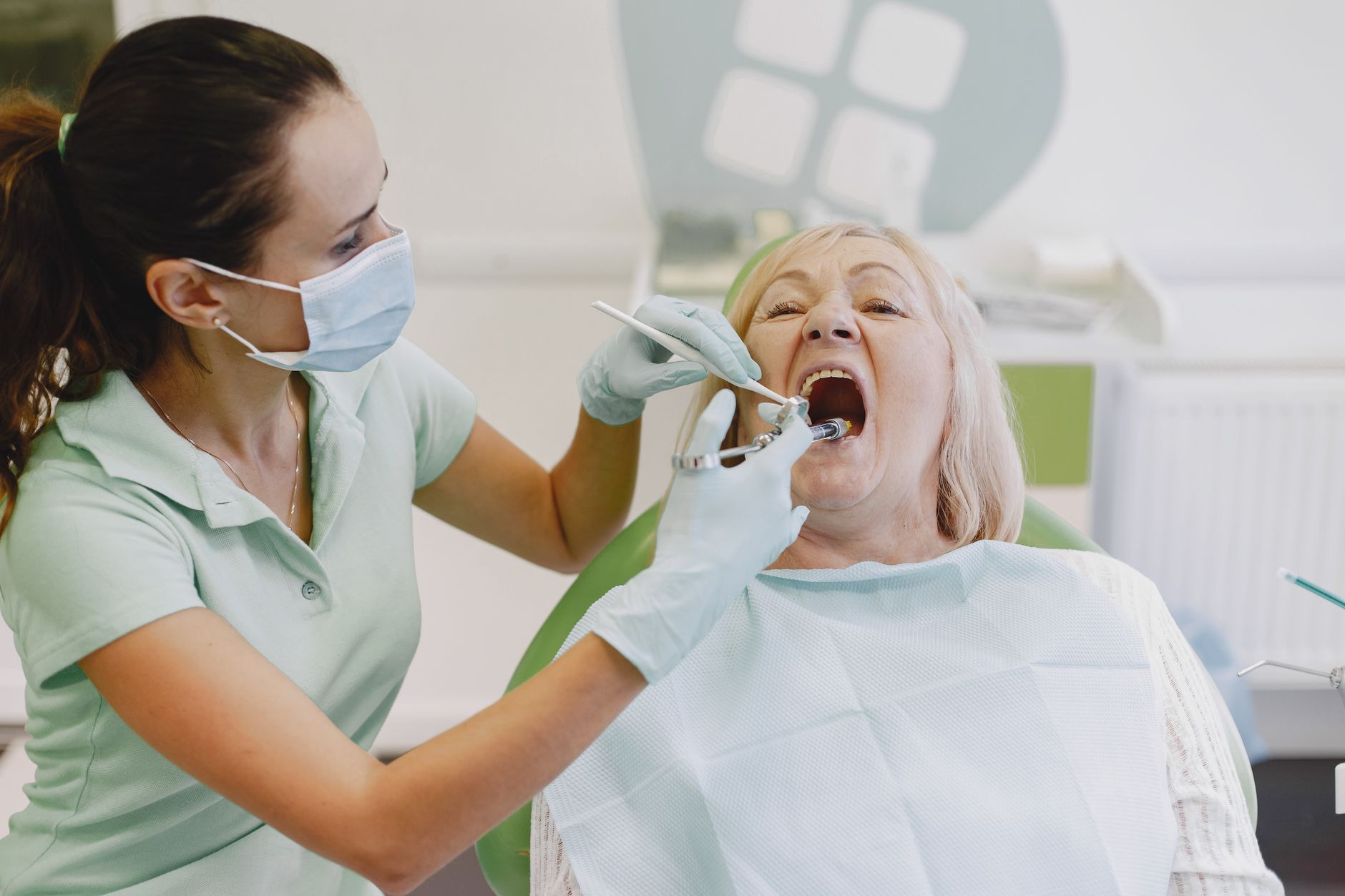
You may have noticed that oral health gets harder to manage with age, even when your habits have stayed the same for years. Gums pull back, teeth feel more sensitive, dry mouth shows up after new medications, and a small sore spot can turn into a bigger problem before you realize it. That can feel frustrating, especially when eating, speaking, and smiling all depend on a healthy mouth. In some cases, issues can worsen quickly and require emergency dental care Bridgewater.
This is where family dentistry for seniors helps in a practical, steady way. A family dentist does more than clean teeth. Ongoing dental care can catch changes early, protect natural teeth longer, and make daily life more comfortable. For many older adults, the goal is simple. Less pain, fewer surprises, and a smile that still feels like their own.
Regular Family Dental Visits Catch Age Related Problems Early
Many dental problems in older adults do not start with sharp pain. They begin quietly. A little bleeding when brushing. A denture that rubs in one spot. A tooth that feels fine until you bite down on something firm. You might tell yourself it can wait, especially if money is tight or getting to appointments takes effort. That delay often turns a manageable issue into a harder one.
Routine visits with a family dentist create a record of what is changing over time. That matters because aging affects the mouth in ways that are easy to miss at home. Gum disease, root decay, worn fillings, oral infections, and signs of oral cancer can all develop with few early symptoms. The National Institute on Aging shares practical guidance on taking care of your teeth and mouth, including the need for regular exams as you age.
Early detection can also lower costs. A small cavity near the gumline is one thing. A cracked tooth that reaches the nerve is another. The same is true for gum disease. Mild inflammation can often be managed with cleaner home care and professional treatment. Advanced disease can lead to loose teeth, infection, and tooth loss. Seniors who keep up with preventive visits often avoid the chain reaction that follows one untreated problem.
Family Dentistry Helps Seniors Manage Dry Mouth, Gum Disease, and Tooth Loss
Older adults often deal with several oral health issues at once. Dry mouth is common, especially with blood pressure drugs, antidepressants, antihistamines, and other long term medications. Saliva protects teeth, so when the mouth stays dry, decay can spread faster. Food may taste different. Dentures may feel less stable. Even speaking for long periods can become uncomfortable.
That discomfort can spill into daily life. You may start avoiding crunchy foods, then eat fewer fruits and vegetables. You may chew on one side because the other side hurts. If dentures no longer fit well, you might eat less overall because meals feel like work. Oral health is tied closely to nutrition, confidence, and social comfort. The CDC offers oral health tips for adults that support better daily care and prevention.
Senior dental care through a family practice supports these overlapping needs. A family dentist can check for medication related dry mouth, recommend fluoride treatments, adjust dentures, treat gum disease, and monitor existing dental work before it fails. That continuity matters. When one provider understands your history, changes are easier to spot and treatment is easier to plan.
Family Dentistry Supports Whole Health and Daily Comfort
The mouth does not sit apart from the rest of the body. Inflammation in the gums can make existing health issues harder to manage. Difficulty chewing can affect nutrition. Dental pain can disturb sleep, and poor sleep makes everything else feel heavier. If you are already juggling doctor visits, prescriptions, and changing energy levels, one untreated dental problem can tip the balance.
Public health research keeps pointing in the same direction. Older adults benefit when oral care is treated as part of overall health, not as an extra task to get to someday. The CDC resource on older adult oral health surveillance and outcomes reflects how common these concerns are and why consistent care matters.
A family dental office is often a good fit because it tends to focus on long term relationships. That can make appointments less stressful, especially for seniors who feel anxious about treatment or need support from adult children and caregivers. Familiar faces, a known medical history, and a clear treatment plan can make care easier to follow through on.
Home Care and Professional Family Dentistry Work Better Together
|
Approach |
What It Helps With |
Limits |
|
Brushing with fluoride toothpaste and daily flossing |
Reduces plaque, freshens breath, lowers cavity and gum disease risk |
Cannot detect hidden decay, loose fillings, or early oral cancer |
|
Drinking water and managing dry mouth symptoms |
Improves comfort, supports saliva flow, helps protect teeth |
Does not treat medication related causes or existing damage |
|
Denture cleaning and proper storage |
Lowers irritation, odor, and infection risk |
Does not fix poor fit, pressure spots, or bone changes |
|
Professional family dental exams and cleanings |
Finds early problems, treats buildup, monitors gums and restorations |
Works best when paired with steady home care |
Home care does a lot, but it cannot replace trained eyes and regular treatment. The strongest results usually come from both. Daily habits keep problems from building up fast, and professional care catches what daily habits cannot reach or reveal.
Three Practical Steps Seniors Can Take Right Away
Schedule preventive visits before something hurts. Pain is a late signal in many dental problems. If it has been a while since your last exam, put a visit on the calendar now. That one step can uncover issues while they are still simpler and less expensive to treat.
Bring a full medication list to your dental appointment. Dry mouth, bleeding risk, healing time, and mouth soreness can all be affected by medication. A family dentist can make better recommendations when they see the full picture.
Pay attention to small changes that keep showing up. A sore spot under a denture, bleeding gums, a rough edge on a tooth, bad breath that does not go away, or trouble chewing are all worth mentioning. These seem minor at first, and that is exactly why they get overlooked.
Healthy smiles in later life usually come from steady care, not perfect teeth. The support of a trusted family dentist can help you stay ahead of problems, protect your comfort, and keep everyday things like eating and talking from becoming harder than they need to be. If you have been putting off care, this is a good time to take the first step and schedule a visit.
