

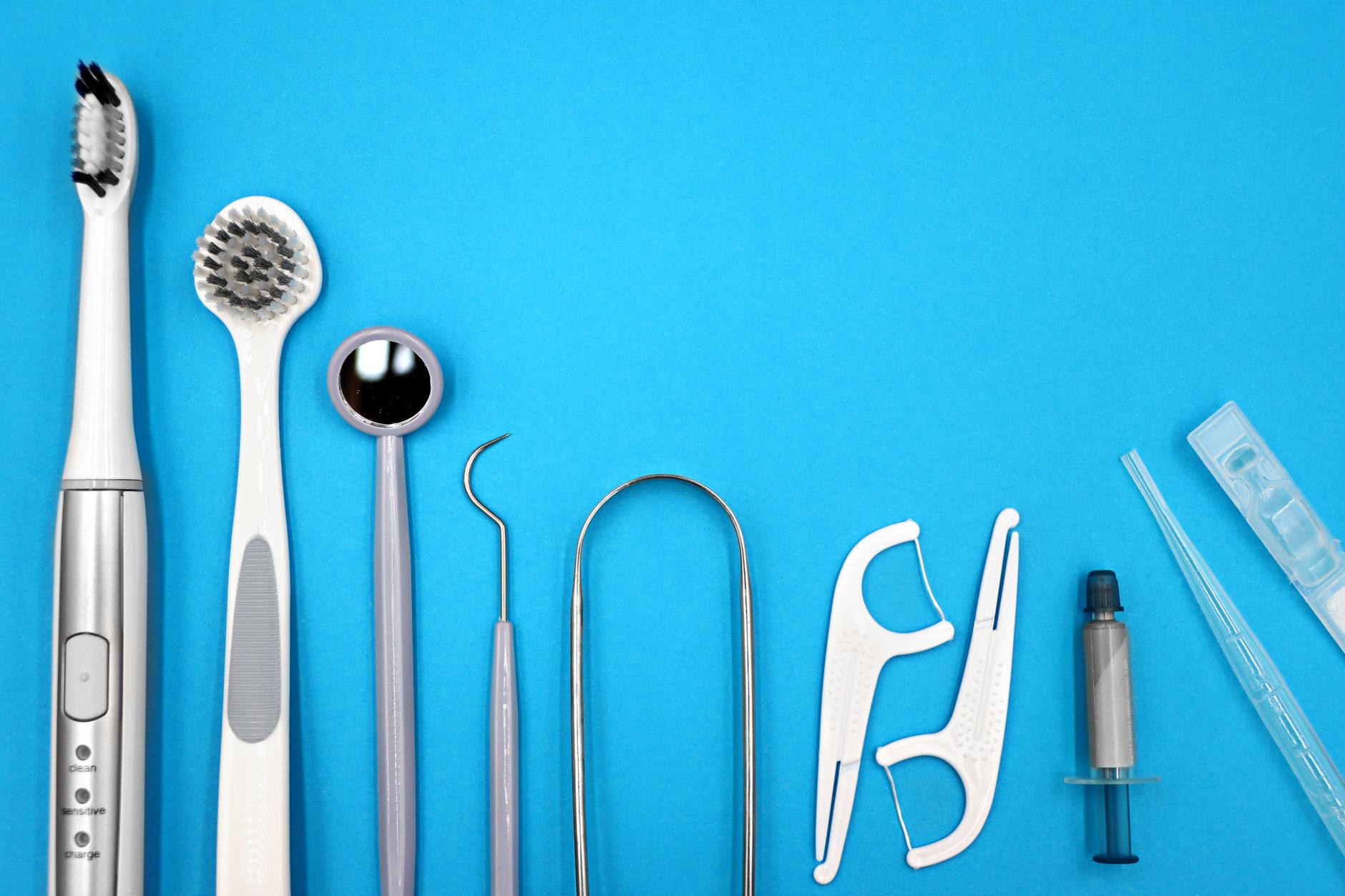
You already have enough to keep track of. School forms, work schedules, groceries, sports, sick days, and the small daily fires that seem to pop up out of nowhere. Dental problems rarely arrive at a convenient time, and when a child wakes up with tooth pain or you notice a broken filling before work, the whole day can unravel fast. That is why preventive dentistry and patient-focused dental care in Vancouver matter so much for families. It lowers the odds of painful surprises, cuts down on urgent visits, and helps you avoid the bigger bills that usually come after small problems were ignored for too long.
A lot of people put off routine dental care because they are trying to save money. That instinct makes sense. If nobody is hurting, it can feel easier to wait. The trouble is that cavities, gum irritation, and enamel wear often start quietly. By the time they are obvious, treatment is usually more expensive, more time consuming, and more stressful than a cleaning or exam would have been.
Small dental problems turn into expensive family disruptions
Tooth decay is one of the most common chronic conditions in both children and adults. The CDC explains that cavities and tooth decay can lead to pain, infection, and trouble eating, speaking, and learning. For parents, that often means missed school, missed work, and a scramble to find an appointment. For adults, it can mean pushing through meetings with a throbbing tooth or delaying treatment until the pain is impossible to ignore.
That delay has a price. A small cavity may need a filling. Left alone, that same tooth may need a crown, root canal, or extraction. The jump in cost is real, but so is the time involved. One short preventive visit can become several longer appointments, plus recovery time, childcare changes, and the stress of fitting it all into a week that was already full.
This is where preventive dental care for families pays off. Routine exams, cleanings, fluoride treatments, and sealants are built to catch problems early or stop them before they start. The NIH notes that tooth decay develops when bacteria in the mouth produce acids that damage the tooth. That process does not always hurt at first. Prevention works because it steps in before the damage gets deep enough to demand major repair.
Preventive dentistry protects both your budget and your calendar
Families often think of dental care as a direct cost, one appointment and one bill at a time. The larger cost is usually indirect. Emergency visits happen during work hours. Pain affects sleep. Kids who are uncomfortable may struggle to focus in class. Adults may put off meals, avoid cold drinks, or lose time driving between specialists and pharmacies. A single untreated issue can spill into several parts of daily life.
Preventive care creates predictability. You can plan a cleaning months ahead. You can combine family appointments. You can ask about weak spots before they become emergencies. That control matters. It is easier to budget for regular checkups than for a sudden procedure you did not see coming.
Sealants are a good example. According to the CDC, dental sealants help protect the chewing surfaces of back teeth, where many cavities start. For children especially, this can mean fewer fillings during the school year and fewer last minute calls from the nurse’s office because a tooth hurts.
Family dentist visits are simpler than crisis treatment
A trusted family dentist does more than clean teeth. You get continuity. The dentist sees patterns over time, notices changes early, and understands the needs of both children and adults in one place. That saves time because you are not starting from scratch at every visit, repeating health histories, or juggling separate offices unless specialty care is truly needed.
There is also a comfort factor that families should not dismiss. Kids who grow up with regular, calm dental visits are often less fearful when treatment is needed. Adults benefit from that same familiarity. When people feel at ease, they are more likely to keep appointments and deal with small issues early. That is one of the clearest long term benefits of preventive oral care.
Routine care and delayed treatment lead to very different outcomes
|
Situation |
Routine Preventive Care |
Delayed Treatment |
|
Early cavity |
Found during an exam, often treated with a simple filling or monitored closely |
Can grow deeper, leading to pain, infection, crown, or root canal |
|
Child with deep grooves in back teeth |
Sealants may lower cavity risk and reduce future treatment |
Higher chance of decay in hard to clean areas |
|
Gum irritation |
Cleaning and home care changes may calm inflammation early |
Can worsen, causing bleeding, discomfort, and more involved treatment |
|
Family scheduling |
Planned visits with fewer surprises |
Urgent appointments, missed work, missed school, last minute rescheduling |
|
Overall cost |
Steady, more predictable expenses |
Higher costs from advanced treatment and emergency care |
Three steps can make preventive dentistry easier to keep up with
Book the next visit before you leave. The easiest appointment to keep is the one already on the calendar. Before you walk out, schedule the next cleaning and exam for each family member. That one habit removes the need to remember later, when life gets crowded again.
Ask what each person in your home is most at risk for. One child may need sealants. Another may need help with brushing technique. An adult may grind teeth at night or have early gum issues. Personalized guidance saves more time and money than generic advice because it focuses on the problems most likely to show up in your family.
Treat small symptoms as early warnings. Sensitivity, bleeding gums, bad breath that does not go away, or a child avoiding one side of the mouth are signs worth checking. Waiting for severe pain usually means the problem has already grown. Early care is almost always easier on your wallet and your schedule.
Preventive dental care gives families more control
You do not need perfect habits or a perfect schedule to benefit from prevention. You just need consistency. A regular visit with a family dentist can stop small issues from becoming expensive interruptions, and that gives you something every busy household needs more of, which is stability. If dental care has been pushed aside because life got hectic, now is a good time to get back on track and schedule the next preventive appointment for your family.
