

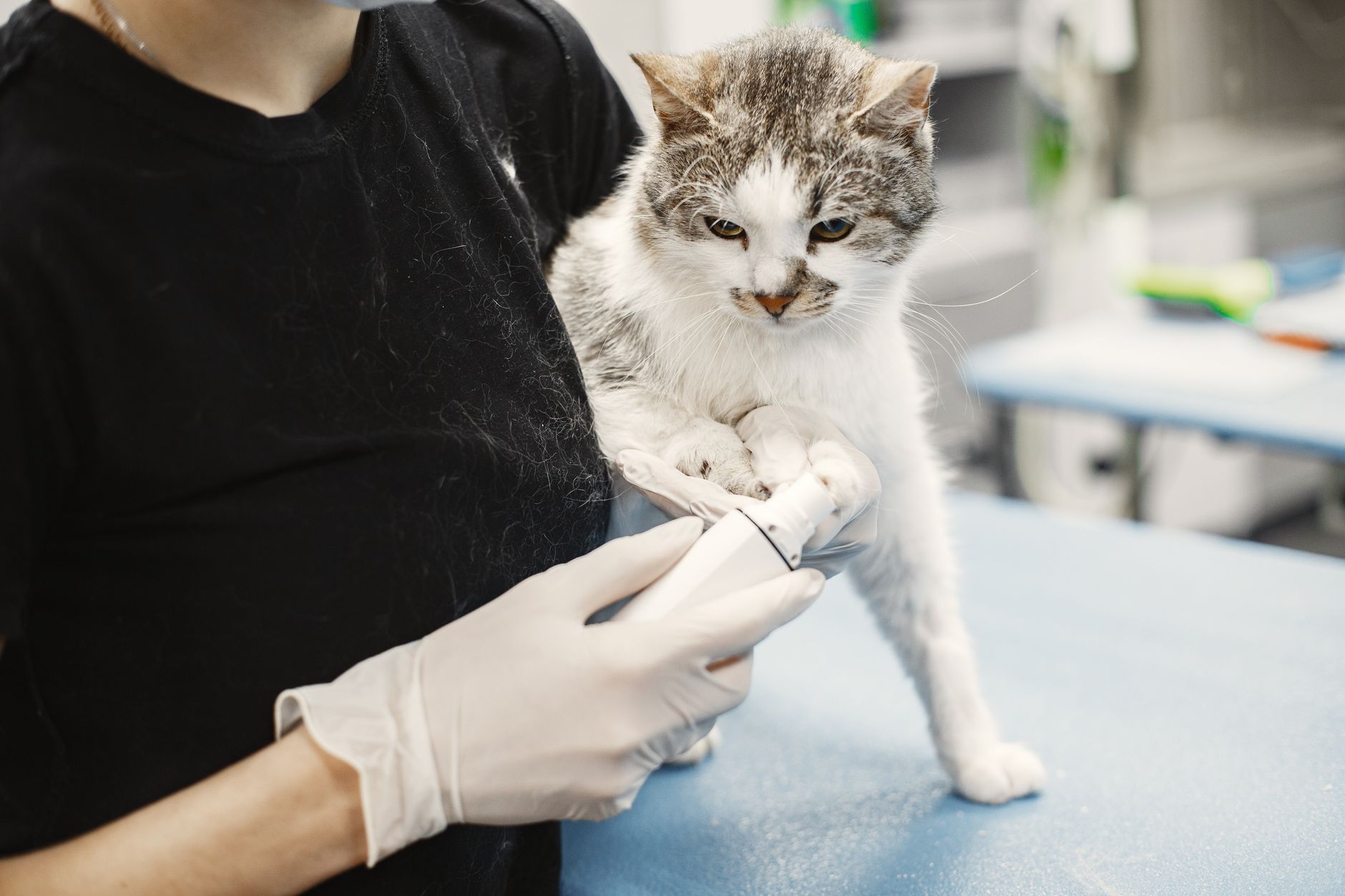
You brought your pet home, and instead of relief, you may be watching every step, every nap, every skipped bite of food. Recovery can feel like a long night that keeps stretching into the next day. You want to do everything right, but getting back into a clinic for rechecks can add stress when your pet is sore, tired, or anxious. That is where in home follow up exams from an at-home veterinarian Houston after your pet’s surgery or hospitalization can make recovery easier to manage, both for your pet and for you.
After surgery or a hospital stay, small changes matter. A little swelling may be normal. Refusing water may not be. A quiet pet may just be resting, or they may be telling you something is off. A mobile veterinarian can assess healing, pain, mobility, appetite, hydration, and medication response in the place where your pet is already trying to settle back in. That often means less fear, less strain, and clearer answers when you need them most.
The trip home from the hospital is only the first part. Once you are home, the routine changes fast. Medications need to be given on time. Incisions need to stay clean. Activity has to be limited, even when your dog suddenly feels well enough to jump on the couch or your cat decides the top shelf is the only acceptable place to sleep. You are trying to balance healing with normal life, and that gets hard quickly.
Transport can make things worse. A pet with stitches, a cone, pain, or weakness may struggle getting into a carrier or car. Some pets become so distressed by travel that their breathing, heart rate, and behavior change before the exam even starts. That can make it harder to tell what is recovery and what is fear. A mobile veterinarian sees your pet in their usual environment, which often gives a more accurate picture of comfort, movement, and appetite.
The emotional side matters too. You may be second guessing everything. Is the incision too red? Is this limp expected? Should they be sleeping this much? Follow up care at home gives you a chance to ask those questions while someone is looking directly at the pet, the medication bottles, the bedding, the stairs, and the setup you are working with every day.
Veterinary teaching hospitals and referral centers often remind clients that follow up instructions, medication schedules, and return visits are a key part of recovery. You can see that reflected in client guidance from Tufts Foster Hospital for Small Animals, the University of Tennessee Veterinary Medical Center, and the LSU Veterinary Teaching Hospital. The setting may differ, but the message is the same. Recovery does not end at discharge.
At home veterinary rechecks catch problems before they grow
Most recoveries go well, but the first days after surgery or hospitalization can shift quickly. An incision can become irritated because a pet is licking when no one is looking. Pain can increase after the first round of medications wears off. A pet who seemed stable at discharge may start vomiting, refuse food, or stop putting weight on a leg. Waiting too long because you are unsure can turn a manageable issue into an urgent one.
At home veterinary follow up exams help catch those changes early. The visit may include checking temperature, hydration, gum color, heart and lung sounds, wound healing, mobility, and comfort level. A mobile veterinarian can also review whether medications are being tolerated, whether the e collar fits properly, and whether your pet’s activity restrictions are realistic in your home.
That last part matters more than people expect. A recovery plan that sounds simple in a discharge sheet can fall apart in a real house with stairs, slippery floors, other pets, children, or a pet who hates confinement. When care happens at home, the advice tends to be more practical because it fits the space your pet is actually healing in.
Mobile veterinarian follow up care compared with clinic rechecks
| Consideration | In Home Follow Up Exam | Clinic Recheck |
| Stress level for many pets | Lower, since the pet stays in a familiar space | Often higher due to travel, waiting rooms, and handling |
| Ease for pets with pain or limited mobility | Better for pets recovering from surgery, weakness, or injury | May require lifting, carriers, or difficult car transfers |
| View of daily recovery setup | Direct look at bedding, stairs, floors, crate setup, and medication routine | Limited to what you describe from memory |
| Monitoring behavior | More natural behavior in the home environment | Behavior may be affected by fear or overstimulation |
| Access to advanced equipment | Good for many rechecks, though some tests may still need a hospital visit | Immediate access to imaging, lab work, and procedures |
| Best use | Incision checks, pain assessment, medication review, recovery monitoring | Complex complications, imaging, emergency intervention, or procedures |
Veterinary follow up care at home is not a replacement for every hospital service. If your pet needs imaging, oxygen support, emergency surgery, or intensive monitoring, a clinic or hospital is still the right place. The value of mobile care is different. It fills the gap between discharge and full recovery, when reassurance and early intervention can prevent setbacks.
Three steps you can take right away after surgery or hospitalization
1. Keep a simple recovery log. Write down appetite, water intake, bathroom habits, medication times, energy level, and any changes to the incision or symptoms. Patterns show up faster on paper than in your head at two in the morning.
2. Take one clear photo of the incision each day. Good lighting helps. If redness, swelling, discharge, or bruising changes, you will have a real comparison instead of relying on memory. This also helps a mobile veterinarian judge whether healing is on track.
3. Set up the home for restricted movement. Block stairs if needed, use rugs on slick floors, keep food and water close, and separate your recovering pet from rough play. A calm setup protects healing tissue and lowers the chance of a setback before the next exam.
Recovery feels more manageable with the right support
You do not need to guess your way through recovery. When your pet is healing, comfort and close observation matter, and both are easier when care comes to your door. In home follow up exams after your pet’s surgery or hospitalization give you a practical way to monitor healing, catch problems early, and help your pet recover in the place where they feel safest.
If your pet is due for a recheck, a mobile veterinarian can make that next step easier and less stressful.
