

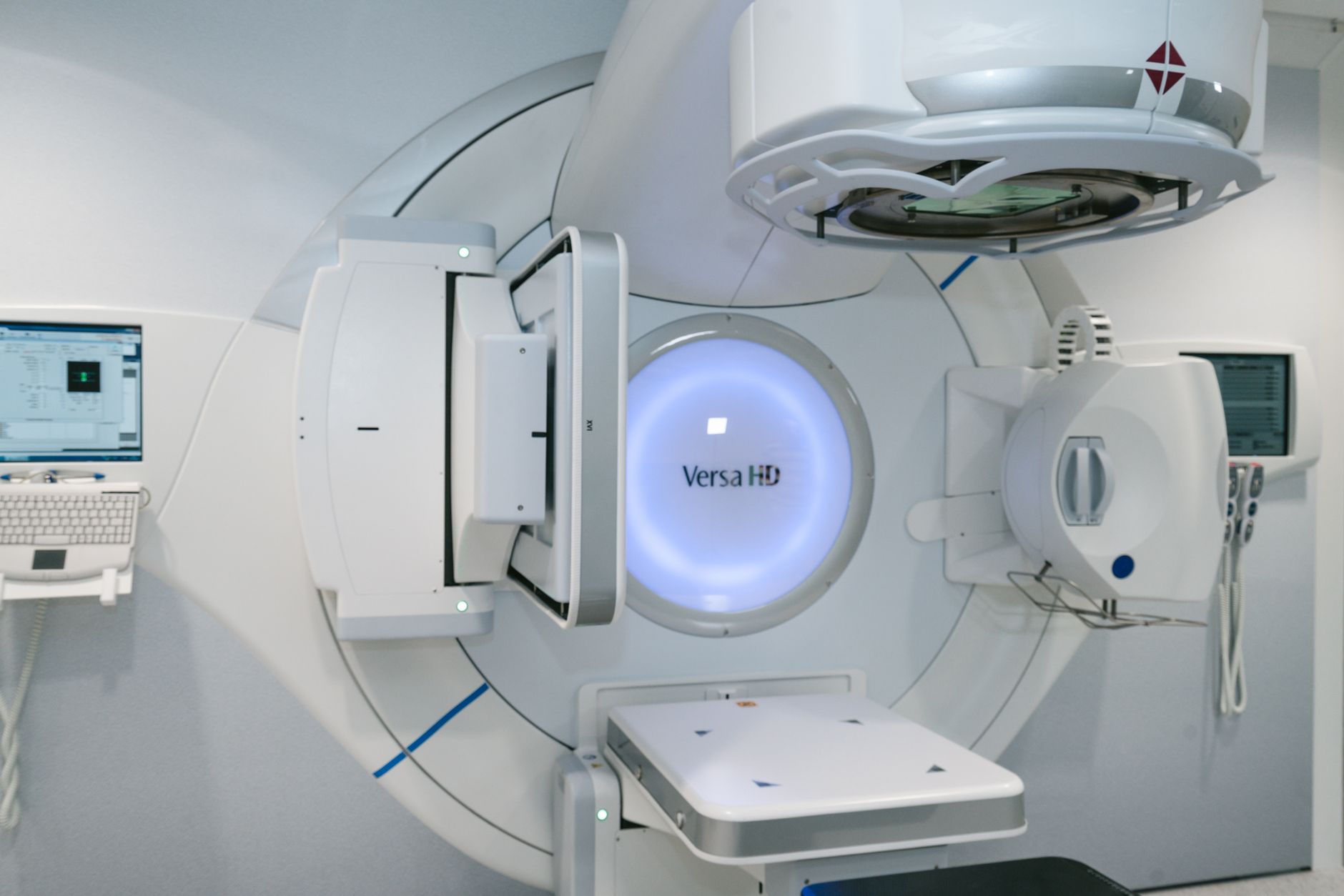
You might be feeling that mix of worry and urgency that comes when your pet is hurt, sick, or simply not acting like themselves. One minute you are watching for small changes at home, and the next you are hearing terms like X rays, ultrasound, and CT in a Big Rapids veterinary hospital. That can feel like a lot, especially when you are trying to make a clear decision while your mind is racing.
Here is the short answer. Each imaging tool shows the body in a different way, and each one helps answer a different kind of question. X rays are often the first step for bones, the chest, and some belly problems. Ultrasound is helpful when your care team needs to look at soft tissues and movement in real time. CT gives a more detailed, layered view and is often used when the picture needs to be sharper or more complete. If you want a deeper look at veterinary imaging services, it helps to see how these tools work together, not against each other.
Why do X rays, ultrasound, and CT each matter in advanced imaging for pets?
When a pet is in pain, the hard part is that many conditions can look the same from the outside. A limp could be a soft tissue strain, a fracture, or even a joint problem. Vomiting could point to simple stomach upset, a swallowed object, or a more serious issue deeper in the abdomen. Because of this, your veterinary team is not just picking a machine. They are choosing the best path to an answer.
X rays are usually fast and widely used in a veterinary hospital imaging setting. They are especially good for seeing bones, checking the lungs, and spotting some kinds of blockages or fluid. If your dog has a cough, your cat may have eaten something they should not have, or your horse has a lameness issue, X rays may be the first and most useful test.
Ultrasound works differently. Instead of giving a flat picture, it uses sound waves to show organs and soft tissues in real time. That makes it helpful for the liver, spleen, bladder, kidneys, and heart, and for checking whether fluid is where it should not be. In urgent cases, point of care scans can guide quick decisions. The University of Illinois explains this well in its overview of point of care ultrasound in emergency and critical care.
Then there is CT, which stands for computed tomography. CT takes many images and combines them into detailed cross sections. So, where does that leave you? Usually in the place where your veterinarian needs more detail than an X ray can give, especially for the head, chest, spine, joints, complex fractures, nasal disease, or surgical planning. CT can be a strong choice when the question is not just “Is something wrong?” but “Exactly where is it, and how extensive is it?”
What makes one pet imaging test a better fit than another?
This is where stress can build, because pet owners often hear that one test is “better,” when the real answer is “better for what?” A dog with a broken leg does not usually need an abdominal ultrasound first. A cat with a suspected bladder mass may gain more from ultrasound than from basic X rays. A horse with a complex head or sinus issue may need advanced scanning, while many orthopedic issues still begin with standard radiographs. If equine care is part of the picture, you can see how imaging supports diagnosis and treatment through this page on equine medicine and surgery.
There are practical concerns too. Cost matters. Time matters. Sedation or anesthesia may matter, especially for pets that are painful, very anxious, or unable to stay still. Ultrasound depends a lot on the skill of the person performing it. CT often gives more detail, but it may not be the first choice if a simpler test can answer the question safely and quickly.
How do X rays, ultrasound, and CT compare in a veterinary hospital?
|
Imaging Test |
Best For |
Limits |
Typical Use |
|
X rays |
Bones, chest, some abdominal issues |
Less detail for soft tissues, gives a flat image |
Fractures, arthritis, pneumonia, swallowed objects |
|
Ultrasound |
Soft tissues, fluid, organ movement in real time |
Not ideal for lungs filled with air or some bone problems |
Abdominal scans, bladder checks, heart studies, emergency triage |
|
CT |
Detailed cross sectional views of complex areas |
Higher cost, often needs sedation or anesthesia |
Head and nasal disease, spine issues, tumor planning, complex trauma |
If you are comparing advanced animal imaging options, the table helps, but the real value comes from pairing the test to the question. That is the heart of good care. The goal is not to order every scan. The goal is to get the right answer with the right tool.
What can you do right now if your pet needs imaging?
1. Ask what question the test is meant to answer.
This can change everything. Instead of asking only which scan is best, ask what your veterinarian is trying to confirm or rule out. If the concern is a fracture, X rays may be enough. If the concern is a liver mass or internal bleeding, ultrasound may be the better next step. If the problem is deep in the skull or spine, CT may be the clearest path.
2. Ask about timing, sedation, and follow up.
Some tests can be done quickly during the visit. Others may need a scheduled appointment, fasting, or sedation. It helps to know what your pet will experience and whether the imaging result will lead to surgery, medication, monitoring, or referral. That way, you are not just preparing for the scan. You are preparing for the next decision too.
3. Ask whether a stepwise plan makes sense.
In many cases, care starts with the simplest useful test and moves forward only if needed. That can protect both your budget and your pet from extra stress. Sometimes X rays answer the question right away. Sometimes they point to ultrasound. Sometimes both lead to CT for a more exact map. Good veterinary diagnostic imaging is often a sequence, not a single event.
When the choice feels heavy, what should you remember?
You do not need to know everything about imaging to make a good decision for your pet. You just need a clear explanation of why a certain test is being recommended, what it can show, and what happens next. That is often enough to turn a scary moment into a manageable one.
If your pet may need imaging, ask your veterinary hospital to walk you through the options in plain language and explain which test fits the problem best. A calm, informed next step is often the most helpful one.
