

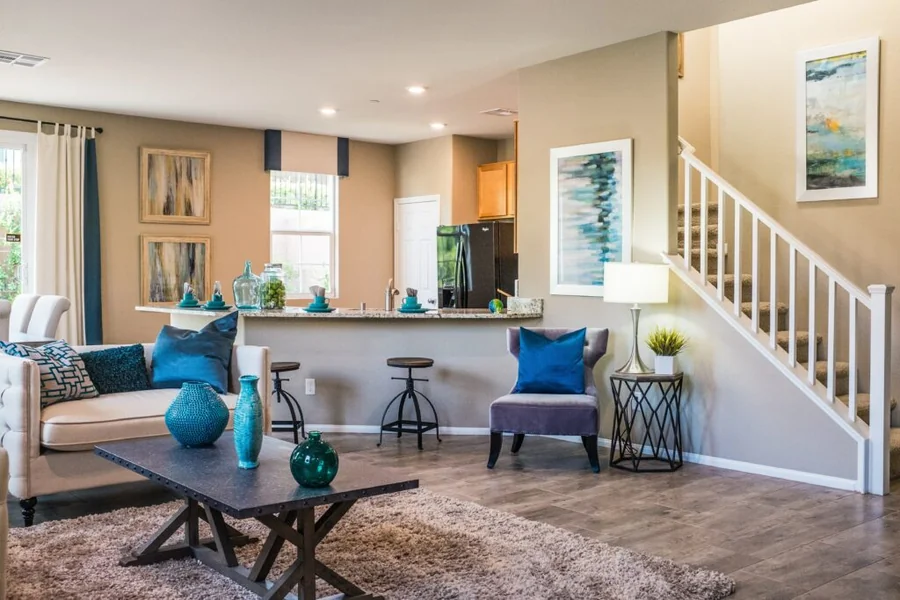
Our homes are more than just a place to eat, sleep, and store our belongings—they are our sanctuary, a place where comfort and relaxation should reign. With the fast pace of modern life, creating a space that nurtures our well-being is more important than ever. Home improvement projects don’t always have to focus on aesthetics or resale value; they can be aimed at enhancing comfort, making everyday living more enjoyable. Here are practical strategies and ideas to transform your home into a haven of comfort.
1. Prioritize Ergonomic Furniture
One of the simplest ways to increase comfort at home is through furniture that supports your body. Ergonomic chairs and supportive sofas are essential in living rooms and home offices. Spending long hours on a poorly designed chair can lead to back pain and tension, reducing overall comfort. Investing in furniture that contours to your body, whether it’s a recliner, an adjustable office chair, or a bed with proper lumbar support, improves posture and creates a space where relaxation comes naturally.
2. Optimize Lighting for Relaxation
Lighting can dramatically affect the mood and comfort of your home. Harsh overhead lighting can make spaces feel sterile and uninviting, while well-placed, adjustable lighting creates warmth and relaxation. Consider layering your lighting: ambient lighting for general illumination, task lighting for reading or cooking, and accent lighting to highlight art or architectural features. Installing dimmer switches allows you to control the intensity, adjusting the ambiance to suit your activities or mood. Natural light also plays a vital role—maximize it by using sheer curtains or blinds that can be adjusted throughout the day.
3. Enhance Indoor Air Quality
Clean air is a cornerstone of home comfort. Poor ventilation or the presence of dust, mold, or allergens can make even the most beautiful space feel uncomfortable. Regularly changing HVAC filters, adding indoor plants that purify air, and using air purifiers can significantly improve indoor air quality. Installing a humidity control system ensures that the air isn’t too dry in winter or too damp in summer, both of which can affect comfort and health. For those with allergies or respiratory issues, these small changes can be life-changing.
4. Soundproofing for Peace and Quiet
Noise can be a significant disruptor of comfort. Whether it’s traffic outside, loud neighbors, or the hum of appliances, unwanted sounds can affect your ability to relax. Soundproofing doesn’t require a full-scale renovation; small changes like adding rugs, curtains, and upholstered furniture can absorb sound. For more persistent noise, consider acoustic panels, double-glazed windows, or even door seals. Creating a quiet environment at home is essential for stress reduction and restful sleep.
5. Temperature Control and Insulation
A comfortable home maintains a consistent and pleasant temperature year-round. Poor insulation or an outdated HVAC system can make rooms too hot in the summer or too cold in the winter, disrupting comfort. Adding insulation to walls, attics, and floors helps regulate temperature, while programmable thermostats allow you to customize heating and cooling schedules to match your lifestyle. Even small improvements, such as weatherstripping windows or installing ceiling fans, can create a noticeable difference in comfort. Installing durable fly screens on windows is also an excellent way to allow fresh air in while keeping insects out, making your living spaces more pleasant during warmer months.
6. Soothing Colors and Textures
Colors and textures significantly impact how we feel in a space. Soft, muted tones such as pastels, neutral shades, or earthy colors promote calmness and relaxation. Meanwhile, textures such as plush rugs, soft throws, and cushioned seating invite tactile comfort. Consider layering textures in living rooms and bedrooms to create spaces that feel cozy and welcoming. Even simple upgrades like changing pillow covers or adding a textured rug can make a room feel more comforting and inviting.
7. Functional and Relaxing Outdoor Spaces
Comfort doesn’t have to stop indoors. Outdoor spaces such as patios, balconies, and gardens can serve as extensions of your home’s comfort zone. Adding comfortable seating, soft lighting, and weather-resistant cushions encourages outdoor relaxation. Landscaping with fragrant plants or greenery can further enhance the sensory experience. Creating a private outdoor retreat allows you to enjoy fresh air and nature without leaving home.
8. Smart Home Technology for Convenience
Modern technology can improve home comfort in subtle but meaningful ways. Smart thermostats, lighting, and security systems offer control at your fingertips. For instance, voice-activated assistants can adjust lighting, play soothing music, or even operate window shades, reducing the effort required to maintain a comfortable environment. Automation can also reduce stress by ensuring your home is always at the ideal temperature, well-lit, and secure.
9. Create Personal Retreats
Designating specific areas for relaxation or hobbies can enhance overall comfort. A reading nook, meditation corner, or home spa area allows you to retreat from daily stressors. Even small spaces, like a window seat or a corner with a cozy chair and a lamp, can become a sanctuary. Personal retreats make your home more than just functional—they make it emotionally nurturing.
10. Keep Spaces Organized and Clutter-Free
Comfort is also about mental space. Clutter can cause stress and make a home feel chaotic. Implementing smart storage solutions, such as built-in shelves, under-bed storage, or multifunctional furniture, keeps belongings organized and accessible. A tidy home creates a sense of calm and order, making it easier to relax and enjoy your surroundings.
Conclusion
Home improvement aimed at comfort is about more than just aesthetics—it’s about creating an environment that supports well-being, relaxation, and enjoyment. From ergonomic furniture and optimal lighting to soundproofing, temperature control, and personal retreats, every choice can enhance how comfortable your home feels. Even small upgrades can make a big difference, turning your living space into a true sanctuary. By prioritizing comfort in your home improvement efforts, you invest not only in your property but in your health, happiness, and peace of mind.
