

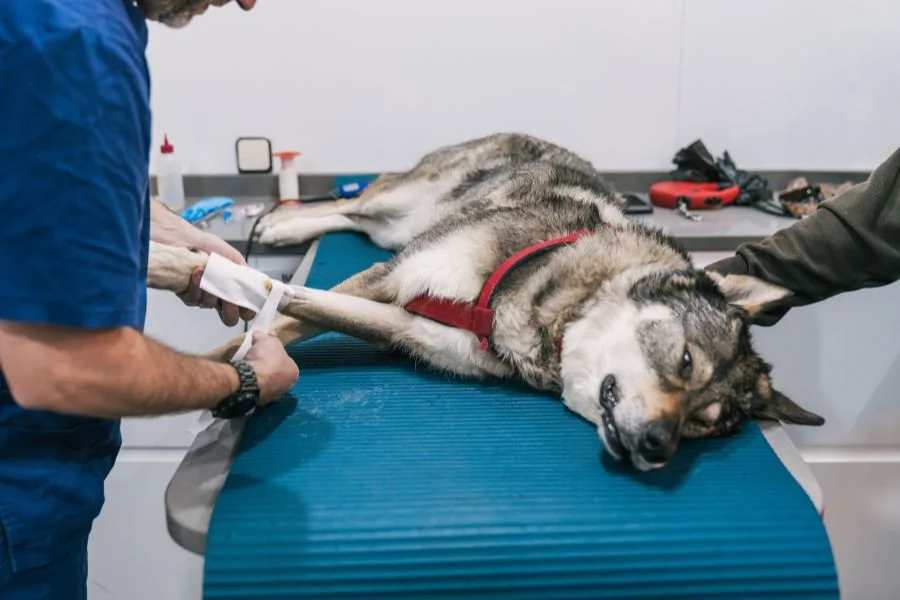
After surgery, your pet feels confused, sore, and scared. You feel worried and tired. You want clear answers, steady support, and real help, not vague promises. Animal clinics provide that support from the first moment after surgery through the last follow up visit. You get a clear plan for pain control. You get feeding and wound care instructions that you can follow at home. You also get honest guidance on what is normal and what is an emergency. Every step aims to protect your pet from infection, slow healing, and preventable problems. If you work with a veterinarian in Dothan AL, you can expect close monitoring, careful checks of movement and behavior, and simple steps that help your pet rest. This blog explains how clinics work with you so your pet feels safer, heals faster, and returns to normal life with less fear.
What Happens Right After Surgery
The first hours after surgery shape recovery. Your clinic team watches your pet as the anesthesia wears off. They track breathing, heart rate, and body temperature. They also watch for pain signals such as whining, tense muscles, or refusal to lie down.
Staff keep your pet warm and quiet. They adjust blankets and bedding. They change your pet’s position to protect joints and the surgery site. They give pain medicine on a set schedule, not only when your pet cries.
Before you go home, the team checks three things. They confirm that your pet is awake enough to stand or sit with help. They confirm that your pet can swallow water without choking. They confirm that bleeding or swelling at the incision is under control.
Clear Home Care Instructions You Can Trust
Good instructions reduce fear. Your clinic should send you home with written steps. Staff should also walk through them with you in person.
Most home care plans cover three basic needs.
- Pain control
- Wound care
- Activity limits
For pain control, you receive specific dosing times and amounts. You also receive signs that show pain is not controlled, such as refusal to eat, heavy panting, or hiding.
For wound care, you learn how the incision should look. You learn how to clean it if needed. You also learn what is not normal, such as thick discharge, a bad smell, or sudden redness that spreads.
For activity, you get clear rules. No running. No jumping. No rough play. You may need a crate or small room to keep movement low. You may also need an Elizabethan collar to stop licking.
Common Home Care Tasks and How Clinics Support You
Animal clinics prepare you for the most common tasks you will face. Staff often show you how to do each task before you leave.
| Home Task | What You Do | How The Clinic Helps
|
|---|---|---|
| Giving medicine | Offer pills or liquid on a strict schedule | Provides pill pockets, flavor options, and written charts |
| Watching the incision | Check the site at least twice each day | Gives photo guides of normal and not normal healing |
| Limiting activity | Use leashes, crates, or small rooms | Explains safe walking times and play limits |
| Feeding | Offer small, frequent meals if approved | Sets a feeding plan and special diet if needed |
| Monitoring pain | Watch behavior changes and appetite | Teaches a simple pain score you can use |
Warning Signs You Should Never Ignore
You should know when to call the clinic or seek emergency care. Many clinics share guidance that matches public advice from trusted sources such as the National Institutes of Health on infection risks.
Contact your clinic at once if you see any of these signs.
- Continuous bleeding from the incision
- Sudden, firm swelling at the surgery site
- Vomiting that does not stop
- Refusal to drink for a full day
- Collapse, seizures, or extreme weakness
- Yellow, green, or foul-smelling fluid from the incision
- Fever or very warm skin around the incision
These signs may signal infection, pain that is out of control, or a reaction to medicine. Fast action protects your pet from deeper harm.
Follow-Up Visits and Why They Matter
Many pet owners skip follow-up visits when the pet seems fine. That choice can delay healing. Routine checks let your clinic catch hidden problems such as slow healing, pressure on stitches, or early infection.
At these visits, staff often do three things. They inspect the incision. They measure weight and check for pain. They adjust medicine or activity rules based on progress.
Your veterinarian may remove stitches or staples. They may also clear your pet for longer walks or normal play. This step-by-step release of limits protects joints and bones while they regain strength.
Helping Your Pet Feel Safe At Home
Emotional stress slows healing. Your clinic can guide you on simple ways to keep your pet calm.
- Set up a quiet recovery space away from loud noise
- Keep a steady routine for feeding, medicine, and walks
- Use a soft voice and gentle touch when you check the incision
Children often want to hug or play with the pet. You can explain that the pet hurts and needs rest. You can offer calm petting sessions while the pet lies down. Your clinic can provide handouts that help explain these rules to younger family members.
How Clinics Use Evidence To Guide Care
Strong post-surgery care rests on science. Many clinics follow research-based advice on pain control, infection prevention, and wound care. Trusted public sources such as the Centers for Disease Control and Prevention’s infection control guidance shape these steps.
These practices include strict hand cleaning, clean equipment, and careful use of antibiotics. They also include clear instructions to you about keeping the incision clean and dry. Your actions at home are part of the same safety chain that starts in the surgery room.
Working As A Team With Your Clinic
Recovery is a shared effort. Your clinic controls the surgery and early steps. You control the home setting. When both sides share information, your pet gains strength sooner.
You can support this team approach in three simple ways. You can ask questions until you feel sure of each task. You can keep a small notebook of medicine times, appetite, and behavior. You can call early when something feels wrong instead of waiting.
Animal clinics want your pet to return to a calm, steady life. With clear guidance, early warning signs, and honest support, you can guide your pet through post-surgery recovery with less fear and more control.
