

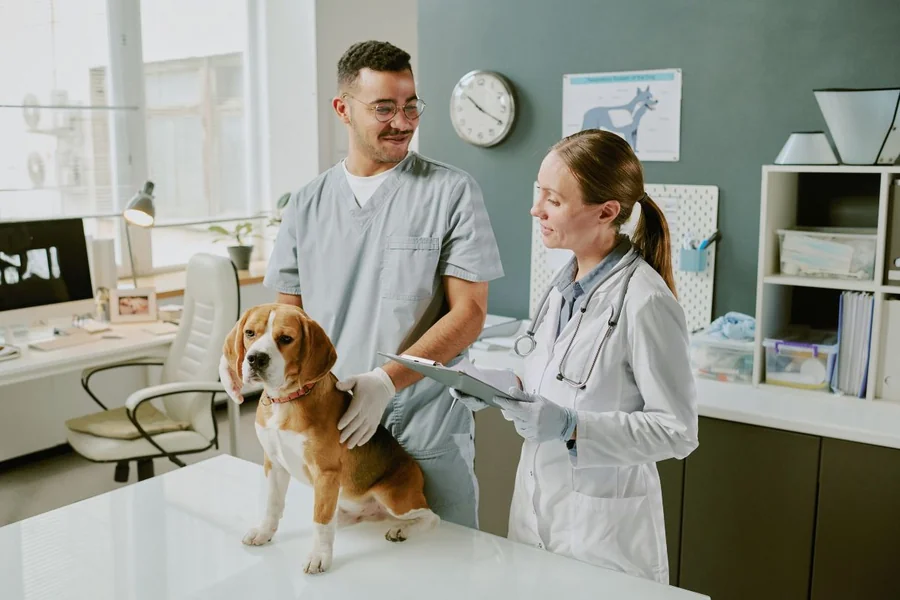
You might be feeling that knot in your stomach that shows up when your pet is hurting and cannot tell you exactly where or how much. Maybe your dog is limping after surgery, your cat has stopped jumping to the windowsill, or your older pet seems quieter and less interested in food. Before the vet visit with a veterinarian in Groves, TX, there is worry and guesswork. After the visit, there is often relief, but also a new set of questions about medicine, safety, cost, and what comfort really looks like at home. The short answer is this. Animal hospitals use a mix of careful exams, pain scoring, medicine, monitoring, and home care plans to reduce pain while protecting your pet’s overall health.
Pain is not always loud. Sometimes it looks like restlessness, hiding, panting, stiffness, or even a change in sleep. Because of that, animal pain treatment is rarely one single shot or pill. It is usually a strategy, built around your pet’s age, condition, and response over time. So, where does that leave you if you are trying to make the best choice without feeling overwhelmed?
Why do animal hospitals take pet pain control so seriously?
When pain is missed or under treated, healing can slow down. A pet in pain may eat less, move less, and become more anxious. That can affect recovery after surgery, worsen chronic joint problems, and make simple daily life harder than it needs to be. In an animal hospital, the team is not only looking at the obvious injury or illness. They are also watching for small signs that tell them how your pet is coping.
This is why many hospitals use structured pain assessments. They may look at posture, heart rate, breathing, vocalizing, appetite, and reaction to touch. Guidance on recognizing pain and distress in animals supports this approach, including standards like those discussed by the NIH on pain and distress in animals. The goal is simple. Catch pain early, respond quickly, and adjust treatment before your pet falls behind.
You may also hear your veterinarian talk about acute pain and chronic pain. Acute pain often follows surgery, injury, or dental work. Chronic pain is more common with arthritis, spine problems, cancer, or long term inflammatory disease. The treatment plan for each can look very different, which is one reason pain management in pets is so individualized.
What kinds of pain management strategies does an animal hospital use?
Most animal hospitals rely on layered care. That means they do not depend on one tool alone. Instead, they may combine medication, physical support, rest, and follow up visits. If your pet has surgery, the hospital may start pain relief before the procedure, continue it during recovery, and then send you home with a plan for the next several days.
Medication is often part of that plan. For some pets, veterinarians prescribe NSAIDs, which are drugs made to reduce pain and inflammation. These can be very helpful, but they must be used exactly as directed. The FDA provides helpful information about veterinary NSAIDs, including risks, side effects, and the need for monitoring. Human pain medicine should never be given unless your veterinarian specifically tells you to do so. The FDA also explains key safety facts about pain relievers for pets, which is worth reading if you have ever wondered whether something from your medicine cabinet is safe. In many cases, it is not.
Beyond medication, an animal hospital may recommend laser therapy, weight management, physical rehabilitation, cold or heat therapy, joint support, softer bedding, restricted activity, or changes to how your pet moves around the house. For a senior dog with arthritis, the plan may focus on long term comfort and mobility. For a cat after dental surgery, the focus may be short term pain control, hydration, and appetite support. The service itself matters, but the monitoring matters just as much. If your pet becomes groggy, vomits, stops eating, or seems more painful, the plan may need to change.

How do the options compare when you are deciding what your pet needs?
When you are tired and worried, every option can start to sound the same. A simple comparison can help you ask better questions and understand why a veterinarian may suggest one route over another.
| Strategy | Best Use | Benefits | Watch For |
|---|---|---|---|
| Prescription pain medication | Post surgery, injury, arthritis, inflammation | Fast relief, targeted control, often essential for recovery | Side effects, dosing errors, need for follow up testing |
| Hospital monitoring and pain scoring | After procedures, serious illness, hard to read pets | Early detection of pain, safer medication adjustment | Higher upfront cost, may require repeat visits |
| Rehab and supportive care | Chronic pain, mobility issues, recovery support | Improves function, may reduce strain and stiffness | Needs time, consistency, and owner involvement |
| Home only observation without vet guidance | Mild concerns while waiting for an appointment | Low immediate cost | Missed pain, delayed treatment, unsafe use of human drugs |
What if your pet seems only a little sore, and you are tempted to wait it out? Sometimes rest is enough for a mild strain, but sometimes subtle pain is the first sign of something larger, like a torn ligament, dental disease, or internal illness. That is why a proper exam at an animal hospital can save time, money, and suffering in the long run.
What can you do right now if your pet may be in pain?
- Start tracking the small changes. Write down when the pain seems worse, whether your pet is eating, how they are walking, and any changes in mood or sleep. Videos can help too. A short clip of your pet getting up, climbing stairs, or reacting to touch gives your veterinarian a clearer picture.
- Do not give over the counter human pain medicine. Even common drugs can be dangerous for pets. If your pet already takes medication, bring the list to the appointment so the veterinary team can avoid unsafe combinations and choose the right pet pain control plan.
- Ask for a full plan, not just a pill. Ask how long the medicine should take to work, what side effects to watch for, when to recheck, and what home changes could help. Simple steps like using rugs on slippery floors, raising food bowls, or limiting jumping can reduce pain between visits.
How do you move forward with confidence?
You do not need to solve your pet’s pain alone, and you do not need to guess your way through it. The best pain plans are thoughtful, flexible, and built around what your pet is showing you day by day. If something feels off, trust that instinct and reach out for help. Relief is often possible, even when the situation feels uncertain at first.
If your pet is showing signs of discomfort, schedule an evaluation with an animal hospital and ask for a pain management plan that fits your pet’s needs, daily routine, and recovery goals.
