

You may have stared at photos of your teeth, zoomed in on one crooked spot, then closed the screen because the whole thing felt bigger than you wanted to deal with. Straightening teeth sounds simple from the outside, but once you start looking into braces, clear trays, timelines, cost, and whether treatment will even work for your bite, it gets stressful fast. That is why finding the right orthodontist in Carmel matters. You want something that works, something you can live with, and something that does not leave you guessing.
The good news is that The Science Behind Modern Braces and Aligners is not guesswork. Modern orthodontic treatment uses careful imaging, measured force, and a much better understanding of how bone and tissue respond to tooth movement. Whether you are looking at metal braces, ceramic braces, or clear aligners, the goal is the same. Small, controlled pressure guides teeth into healthier positions over time, while your jawbone remodels around them.
Modern Orthodontic Treatment Works by Remodeling Bone
Teeth do not slide through bone like furniture across a floor. When an orthodontist applies gentle force, the tissues around the tooth react. On one side, bone breaks down enough to make room. On the other, new bone forms to support the tooth in its new place. This process is called bone remodeling, and it is the biological reason braces and aligners can change a smile.
That is also why speed matters. Too much force can increase pain, raise the risk of root damage, and make movement less predictable. Too little force may not do enough. Modern systems are designed around steady, controlled pressure, not brute strength. Research on orthodontic biomechanics and tissue response keeps shaping how appliances are built and adjusted. You can see that scientific foundation in this published review on orthodontic biology and mechanics.
If you have ever wondered why treatment takes months instead of weeks, this is the reason. Your teeth may be ready for change before your bone is. Biology sets the pace.
Braces and Clear Aligners Move Teeth in Different Ways
Traditional braces use brackets and wires to create force across multiple teeth at once. They are especially useful when teeth need more complex movements, such as rotation, vertical changes, or major bite correction. Because the system stays on your teeth, treatment does not depend on remembering to wear it.
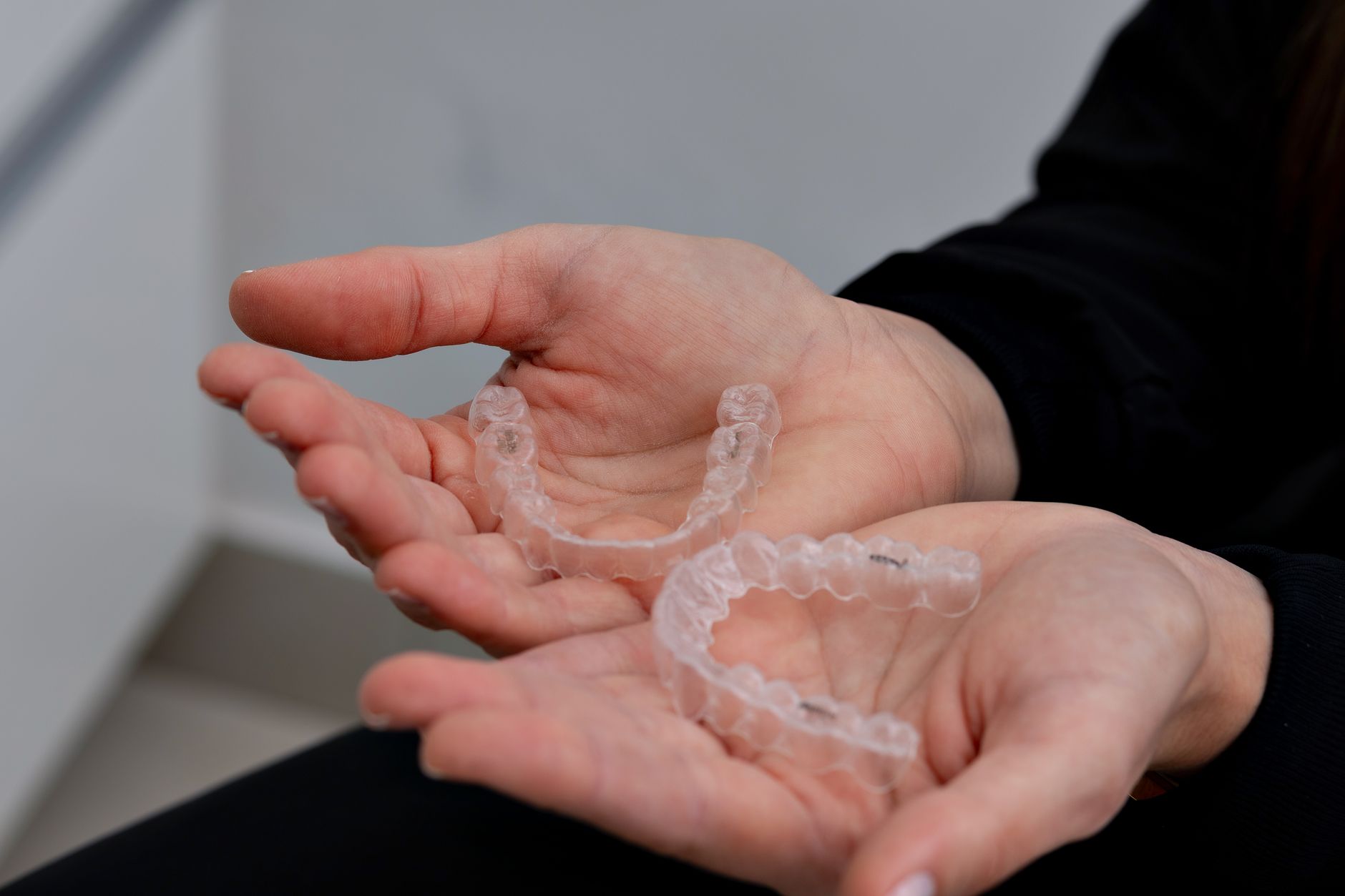
Clear aligner therapy uses a series of custom plastic trays. Each tray is shaped to move teeth a little further than the one before it. This option appeals to many adults and teens because the trays are removable and less visible. That convenience comes with a catch. If aligners are not worn long enough each day, usually around 20 to 22 hours, treatment can stall.
This is where people often get frustrated. A treatment plan may look perfect on paper, then real life steps in. Work lunches, coffee, sports, weddings, school, forgetfulness. Miss enough wear time and your next tray may not fit well. What felt flexible starts feeling like pressure.
Braces have their own tradeoffs. Food gets stuck. Brushing takes longer. Soreness after adjustments is common. Yet for some bite issues, braces still give the orthodontist more control. The right choice depends less on what is trendy and more on what your teeth need.
Digital Imaging Has Changed Orthodontic Care
Modern braces and aligners rely on better diagnostics than many patients realize. Digital scans can map your teeth in 3D without messy impressions. Software can simulate stages of movement and help plan where attachments, wires, or pressure points should go. Advanced imaging also helps orthodontists spot issues that are easy to miss with a quick visual exam, such as impacted teeth, root position, or bone support.
That shift toward precision is part of a larger movement in dental and craniofacial research. The National Institutes of Health has highlighted how imaging, materials science, and bioengineering continue to improve oral health care. This NIH Catalyst publication gives a broader view of how research is shaping treatment tools and outcomes.
For you, that means a better chance of getting a plan built around your anatomy instead of a one size fits all approach.
Braces and Aligners Have Different Daily Tradeoffs
| Feature | Braces | Aligners |
| Visibility | More noticeable, though ceramic options blend in better | Less noticeable for most people |
| Compliance | Works full time because it stays on | Requires consistent daily wear |
| Complex tooth movement | Often better for major bite and rotation issues | Works well for many cases, but not all |
| Eating | Food restrictions are common | Trays come out for meals |
| Oral hygiene | Brushing and flossing take more effort | Easier to brush and floss when trays are removed |
| Follow through | Fewer opportunities to forget treatment | More freedom, but more responsibility |
A person with crowded front teeth and a mild bite issue may do very well with modern braces and aligners. A person with a deep bite, jaw imbalance, or teeth that need complex rotation may get a more predictable result with braces. The science matters, but so does your routine. The best appliance is the one that matches both your biology and your habits.
Smart Orthodontic Decisions Start with Clear Planning
Get a full diagnostic exam. Do not choose treatment based on photos alone. A proper orthodontic exam should include imaging, bite analysis, and a discussion of bone support, gum health, and long term retention. Straight teeth are not the same as a healthy bite.
Ask what movements are actually needed. If one tooth overlaps another, that may look like a small cosmetic issue. It can still involve crowding, jaw spacing, or root position. Ask whether your case needs simple alignment, bite correction, or both. That answer often points clearly toward braces or aligners.
Plan for life after treatment. Teeth can shift back. Retainers are part of orthodontic care, not an optional extra. Ask how often you will need to wear them, how they are replaced, and what happens if one is lost. Retention protects the time and money you put in.
The Science Supports Better Smiles and Healthier Bites
Orthodontic treatment is not just about appearance, though appearance matters and it is okay to care about that. It is also about function, stability, and making sure your teeth fit together in a way that is easier to clean and easier to live with. The science behind today’s options is far more precise than many people expect, and that precision is what makes treatment safer and more predictable.
If you are weighing your options, start with a consultation for orthodontist care and get answers based on your bite, not someone else’s. A clear plan tends to quiet a lot of the stress.
