

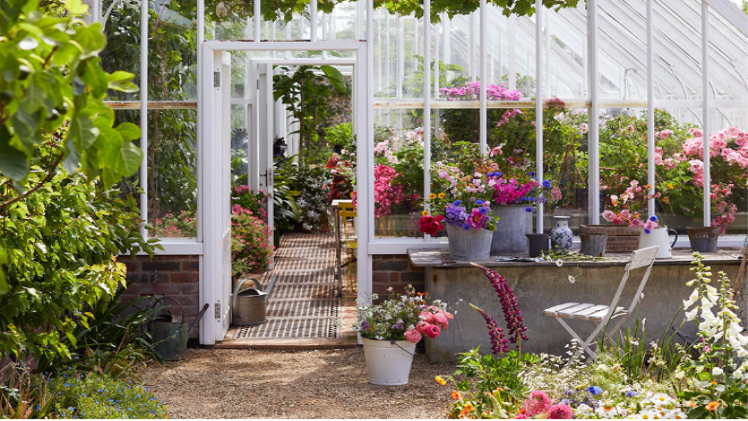
Plants grow well under ideal conditions where the temperature is within a range of 65-75 F. Heat, and sunlight play a vital role in the photosynthesis process in plants. It helps in breaking down the nutrients absorbed through the root to distribute evenly. During the harsh winter months, plants enter dormancy, and few even die. We can overcome weather conditions in agriculture by extensively using greenhouses that trap heat and light and maintain the optimum climatic conditions that allow plants to thrive around the year, irrespective of outside weather.
Greenhouse structures will weather over a period if steps are not taken to shield them from wear and tear caused by moisture and external wind pressure. Using greenhouse metal decking as a protective layer will be helpful in two ways. It will minimize the impact of weather and internal moisture that is generated through the process of transpiration.
Humidity inside a greenhouse is directly proportional to the outside temperature. Plants like humidity levels around 80% during the day and a tad bit less after nightfall. When external temperature increases, the humidity levels increase in the form of water vapor. This water is released through the process of transpiration when stomata open wider with higher temperatures and close during cold climates. Excessive transpiration can also send plants into shock. Keeping in mind the practical aspects a greenhouse should be constructed to handle ventilation and air circulation facilities. The structure of the greenhouse has to be functional, and metal decking can help in the following ways
-
Withstand Strong Winds
Wind energy can be crazy with few places experiencing hurricanes, tornados, and twisters occasionally. Metal decking acts like a framework that can hold the greenhouse’s structure and lend support against snow and winds. Without adequate support, the structure will collapse like a pack of cards within no time with the first gush of winds.
-
Differentiator
When you use a colored metal deck for beading and related structural use, you can identify your greenhouse from a distance and direct important vehicles that ferry the supplies to and from the location. In commercial farming, this small step proves to be a beneficial practice in saving time and avoiding confusion.
-
Low-Maintenance
Powder-coated metal decks offer less tension in terms of regular maintenance and are not susceptible to rot, unlike other structural materials. Insects like wood borers and termites have no impact on the material.
-
Lightweight
In building greenhouses, the domes should be made with light and sturdy material which is achievable with metal decks as they appear and seem delicate but offer resilience. Heavy materials are not advisable for greenhouses that need to hold glass or polycarbonate sheets.
Conclusion:
Greenhouse farming is the first step that you will be taking to grow food throughout the year. Take care to review different materials, types of structures, automation technology, and ventilation requirements in a greenhouse. Baby steps should start with consultations with experts who can walk you through the journey as per your budget. Happy farming!
