

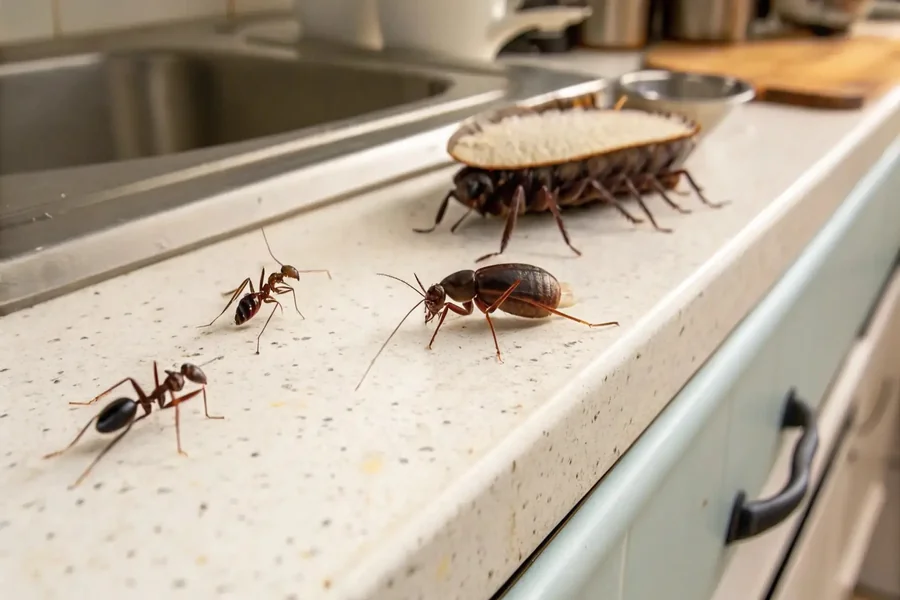
Pests in the home are more than just a nuisance—they can pose health risks, damage property, and compromise your comfort. From cockroaches and ants to rodents and bedbugs, indoor pests find ways to thrive in even the cleanest environments. The key to maintaining a pest-free home lies in understanding effective strategies for prevention, control, and long-term management. This article explores practical, evidence-based approaches to indoor pest control.
Understanding the Common Indoor Pests
Before implementing pest control strategies, it is crucial to identify the types of pests you are dealing with. Common indoor pests include:
- Cockroaches: Gel baits, insect growth regulators (IGRs), and boric acid powders are effective. Place baits near hiding spots like under sinks and behind appliances. For severe infestations, fast-acting cockroach pest control services can quickly eliminate large populations and prevent further spread.
- Ants: While often harmless, ants can contaminate food and create structural damage in large infestations.
- Rodents: Mice and rats pose serious health risks by spreading disease and chewing through electrical wires and insulation.
- Bedbugs: These nocturnal insects feed on human blood, causing itchy bites and psychological stress.
- Spiders and other insects: While often harmless, large numbers can create discomfort and occasionally introduce venomous bites.
Understanding the behavior, breeding habits, and preferred habitats of these pests helps in designing a targeted control strategy.
Prevention: The First Line of Defense
Preventing pests from entering your home is always more effective than trying to eliminate them after an infestation occurs. Some key preventive measures include:
- Maintain Cleanliness: Regular cleaning of floors, counters, and storage areas reduces food sources and hiding spots for pests. Crumbs, spills, and unwashed dishes attract insects and rodents.
- Proper Food Storage: Store food in airtight containers and promptly dispose of garbage. This prevents pests like ants, cockroaches, and rodents from accessing food.
- Seal Entry Points: Inspect windows, doors, vents, and cracks in walls. Sealing gaps with caulk or weather stripping minimizes pest access.
- Control Moisture: Many pests, particularly cockroaches and silverfish, thrive in damp environments. Fix leaking pipes, use dehumidifiers, and ensure proper ventilation in bathrooms and kitchens.
- Regular Inspection: Routine checks of less-frequented areas, such as basements, attics, and storage rooms, help detect early signs of infestation.
By adopting these preventive measures, homeowners can significantly reduce the likelihood of pest invasions.
Incorporating natural deterrents can significantly enhance your indoor pest management efforts. Essential oils like peppermint and eucalyptus are known for their repellent properties and can be used in diffusers or sprays to keep pests at bay. Additionally, maintaining a clean and clutter-free environment is crucial, as it reduces hiding spots and food sources for unwanted guests. For those residing in areas with persistent pest issues, professional services might be necessary. Residents seeking reliable solutions can explore pest control Salem options to ensure a pest-free home. By combining these strategies, you can create a comprehensive approach that minimizes the likelihood of infestations, ensuring a healthier living space.
Integrated Pest Management (IPM)
Integrated Pest Management (IPM) is a holistic approach that combines multiple strategies for effective pest control while minimizing chemical usage. IPM emphasizes understanding pest behavior and using targeted interventions. Key elements include:
- Monitoring and Identification: Regularly inspect the home to detect pests early. Identify the species to tailor control measures appropriately.
- Cultural Controls: Modify the environment to make it less conducive to pests. This includes eliminating food and water sources, reducing clutter, and maintaining proper sanitation.
- Mechanical and Physical Controls: Use traps, screens, and barriers to capture or prevent pests from entering certain areas. Sticky traps, rodent traps, and door sweeps are effective tools.
- Chemical Controls: Use pesticides as a last resort and select products designed for indoor use. Always follow the manufacturer’s instructions to minimize health risks.
- Biological Controls: In some cases, introducing natural predators, such as certain types of nematodes to control insects, can be effective in non-toxic pest management.
IPM focuses on long-term prevention, reducing dependency on chemical treatments, and promoting safer, sustainable pest control.
Targeted Control Measures
Once pests are detected, specific strategies can be employed based on the type of pest:
- Cockroaches: Gel baits, insect growth regulators (IGRs), and boric acid powders are effective. Place baits near hiding spots like under sinks and behind appliances.
- Ants: Identify the nest and apply bait stations rather than just spraying visible trails. Baits are carried back to the colony, ensuring more effective elimination.
- Rodents: Snap traps and electronic traps are preferred for indoor use. Seal holes larger than a quarter-inch to prevent new entries. Avoid using rodenticides in areas accessible to children or pets.
- Bedbugs: Use a combination of vacuuming, heat treatment, and mattress encasements. Professional pest control services may be necessary for severe infestations.
- Spiders and miscellaneous insects: Regular cleaning and removal of webs, along with sealing cracks and crevices, reduce spider populations. Insecticide sprays can be used sparingly in hidden corners.
The effectiveness of control measures depends on early detection and consistency in application.
Professional Pest Control Services
While DIY methods can handle minor infestations, professional pest control services are recommended for persistent or large-scale problems. Professionals bring expertise, advanced equipment, and targeted chemical treatments that ensure effective eradication while prioritizing safety. Routine inspections by licensed pest control operators can also help maintain a pest-free environment.
Long-Term Strategies and Maintenance
Sustainable indoor pest control relies on ongoing maintenance and vigilance. Key strategies include:
- Conducting seasonal inspections to catch early infestations.
- Keeping gardens and outdoor areas tidy to reduce pest migration indoors.
- Regularly maintaining plumbing and structural elements to prevent moisture accumulation and entry points.
- Educating household members on best practices, such as prompt cleaning of spills and proper food storage.
Consistency and preventive action are essential to avoid recurring infestations.
Conclusion
Indoor pests are not only unpleasant but can also compromise health and property. A combination of preventive measures, integrated pest management, targeted control, and professional intervention forms the foundation of effective indoor pest control. Maintaining a clean, well-sealed, and well-monitored home environment significantly reduces the risk of infestations. By understanding pest behavior, addressing root causes, and applying appropriate interventions, homeowners can enjoy a safe, comfortable, and pest-free living space.
