

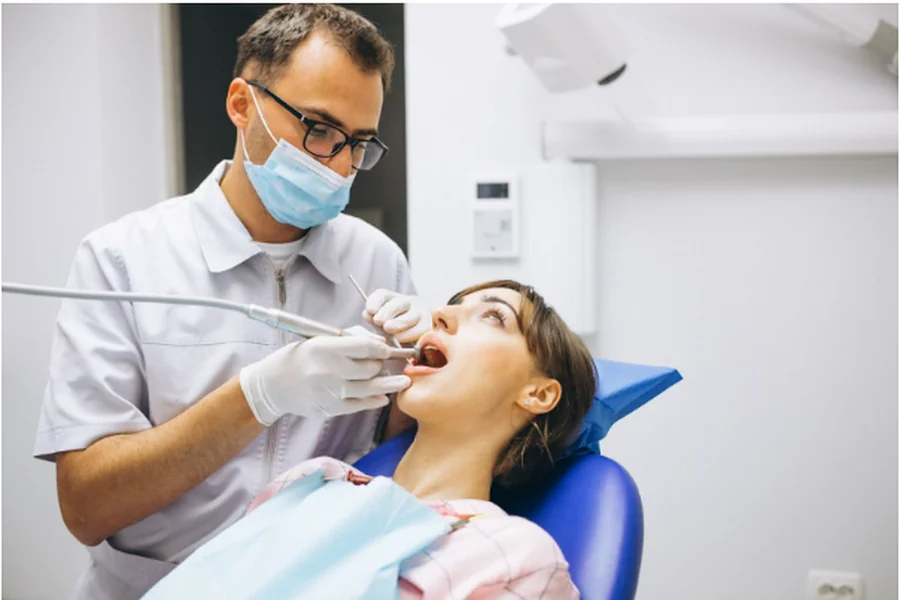
Unexpected dental pain is often more than a minor inconvenience. It can interfere with eating, sleeping, and everyday routines. What begins as a mild ache may develop rapidly into an intense, unmanageable pain that demands immediate attention. These situations are more common than many realise and often point to deeper issues within the teeth, gums, or jaw.
Recognising when pain becomes a serious concern and knowing where to seek care can make a significant difference in outcomes. As healthcare access evolves, understanding how dental services respond to urgent needs is more important than ever.
Common Causes Behind Unexpected Dental Pain
Not all dental pain is created equal. Some cases build slowly over time due to neglected hygiene or untreated decay, while others arrive suddenly, with no prior warning. These causes are often difficult to identify without a clinical assessment, and in many of these situations, timely access to emergency dental pain relief becomes essential to manage symptoms and prevent further complications.
Infections and Abscesses
When bacteria enter the inner layers of a tooth, the resulting infection can cause throbbing pain. Abscesses may form at the root or between the gum and tooth, often accompanied by swelling or fever.
Cracked or Broken Teeth
Chewing hard objects or suffering facial injury can cause teeth to crack or fracture. Even minor cracks can expose sensitive nerves, triggering sharp pain while eating or consuming hot or cold drinks.
Dislodged Fillings or Crowns
Dental restorations are designed to protect vulnerable areas. If a crown or filling comes loose, it exposes part of the tooth, often leading to pain and heightened sensitivity to pressure or temperature changes.
Wisdom Teeth Complications
As wisdom teeth emerge, they can cause crowding, misalignment, or become impacted. This often leads to pressure in the jaw, gum inflammation, and radiating pain across the face or ear.
Warning Signs That Require Immediate Dental Attention
While not every oral issue demands emergency treatment, certain symptoms indicate the need for swift professional care. Ignoring these signs may lead to worsening conditions or long-term damage.
Severe and Persistent Pain
Intense pain that does not subside, even with over-the-counter medication, often signals a serious underlying issue. Prolonged discomfort is rarely a temporary condition and should be evaluated quickly.
Facial or Gum Swelling
Swelling often indicates the body’s response to an underlying infection or injury. This may present with redness, warmth, or pus and can lead to complications if left untreated.
Fever or General Illness
If dental pain is accompanied by fever, chills, or general fatigue, this may suggest that an infection has spread beyond the mouth and requires urgent attention.
Loose or Knocked-Out Teeth
Teeth that move unexpectedly or fall out due to trauma require prompt care to maximise the chances of repair or re-implantation.
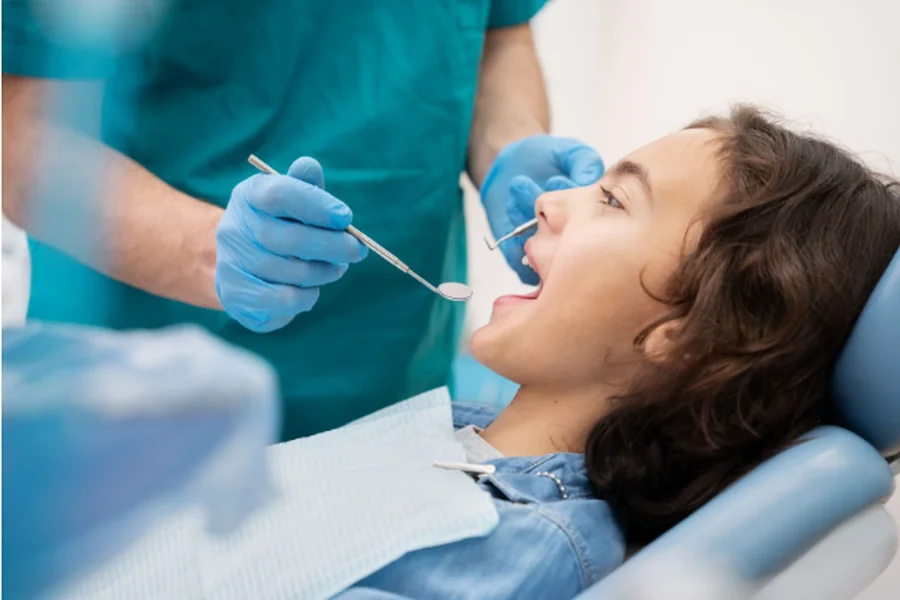
Accessing Urgent Dental Services in the UK
Navigating dental care in emergency situations can be difficult, particularly outside of standard clinic hours. In many cases, patients are unsure where to turn when experiencing intense discomfort or injury.
NHS Pathways for Urgent Dental Care
The NHS provides resources for individuals experiencing sudden dental issues. NHS 111 can offer guidance and refer callers to urgent treatment centres when necessary. Some regions operate designated emergency dental hubs for individuals who cannot access regular appointments.
According to data from NHS Digital, over 12 million adults in England had not been seen by an NHS dentist in the 24 months leading up to 2024. Many cited appointment availability and long wait times as barriers. This highlights the importance of emergency care pathways and the growing demand for timely treatment.
Private Emergency Appointments
Many private dental practices offer same-day or out-of-hours services for patients dealing with severe discomfort. While private care may involve additional costs, it often provides quicker relief, particularly when NHS slots are unavailable.
When Not to Visit A&E
Hospitals are not equipped to handle most dental cases. NHS guidance advises against using Accident and Emergency services unless bleeding is uncontrollable or trauma is life-threatening. This ensures that hospital resources remain available for true medical emergencies.
Managing Symptoms Until Care Is Available
While professional treatment is always the goal, some steps can help manage symptoms temporarily. These should never be seen as alternatives to care but may provide short-term relief.
Medication and Cold Compresses
Over-the-counter pain relief, such as ibuprofen or paracetamol, may help reduce pain and inflammation. Applying a cold compress to the outside of the cheek can also help minimise swelling.
Salt Water Rinses
Rinsing the mouth gently with warm salt water can cleanse the area and provide mild relief for gum-related pain or infections. It is a widely recommended home remedy but should not delay a dental visit.
Avoiding Triggers
Avoiding hard, sugary, or extremely hot or cold foods may reduce irritation until treatment is received. Chewing on the unaffected side can also prevent aggravation of a painful area.
The Long-Term Benefits of Preventive Dental Care
Severe episodes of dental pain frequently indicate deeper problems related to ongoing oral health care.Consistent dental hygiene and routine check-ups are key to preventing sudden flare-ups and emergencies.
Importance of Regular Visits
Routine check-ups help identify early signs of decay, gum disease, or bite problems. Dentists can address these before they evolve into painful or costly conditions. Early treatment typically involves less discomfort and better outcomes.
Education and Awareness
Public Health England has reported that nearly half of dental-related hospital admissions in recent years could have been prevented with earlier intervention. These statistics demonstrate the role of public education in improving oral health outcomes.
Reducing the Need for Emergency Dental Pain Relief
By staying proactive about dental health, individuals can significantly reduce the likelihood of requiring emergency dental pain relief. Prevention remains the most effective strategy in maintaining both oral and overall health.
Dental Care Access in Birmingham and Regional Developments
In Birmingham, like many other urban centres, demand for dental care continues to grow. Limited appointment availability, staff shortages, and funding constraints have created significant pressure on both NHS and private providers. These challenges have been acknowledged by local health authorities and national bodies alike.
Pilot initiatives are being rolled out to improve accessibility and reduce waiting times, including the expansion of digital triage tools and mobile dental units. While these programs are still developing, they reflect a broader effort to make dental care more responsive and equitable across the region.
Moving Toward Better Emergency Preparedness
As healthcare systems adjust to evolving demands, dental services are becoming more integrated into overall emergency care planning. Timely treatment not only resolves pain but also prevents more complex health outcomes that strain both individuals and public resources.
Investing in both emergency capabilities and preventive care for better oral health is essential to ensure long-term improvements in dental health. While emergencies will always arise, better systems and awareness can help reduce their frequency and severity.
Final Thoughts
Sudden dental pain is more than a discomfort. It can disrupt daily life and may reflect serious health issues that require swift intervention. Access to timely and appropriate care remains vital, and ongoing efforts across the UK aim to close the gaps in dental service delivery.
By recognising warning signs early and knowing how to access emergency treatment, individuals can avoid unnecessary suffering and protect their long-term oral health. As new strategies take shape in regions like Birmingham, the future of urgent dental care looks more responsive and patient-focused.
