

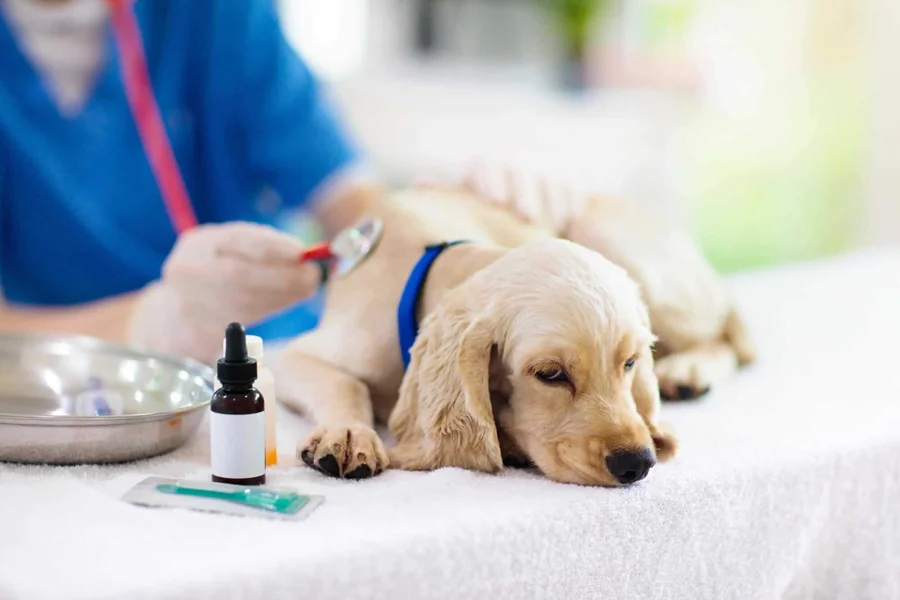
You might be feeling a little torn right now. On one hand, you love your pet and want to do everything “right.” On the other hand, there is so much advice out there that it starts to blur together. Whether you’re searching for a pet hospital North West San Antonio or just trying to sort through online information, it can be overwhelming. Vaccines, dental care, spay or neuter, emergencies, checkups. It can feel like you are always one step behind.end
Maybe it started with a reminder postcard from a general veterinarian that you ignored because money was tight. Or a late-night Google search when your dog was limping. Or the guilt you felt when the vet mentioned tartar on your cat’s teeth and you realized you had never even thought about brushing them.
Because of this tension, you might wonder what actually matters most. What are the core veterinary services every pet owner should know and plan for, so you are not always reacting in a panic after something goes wrong.
Here is the short version. There are four areas that quietly protect your pet’s health. Regular wellness care, spay and neuter surgery, dental care, and emergency or urgent care. When you understand these four, you can make calmer choices, spread out costs, and catch problems early instead of being blindsided later.
Why do regular wellness visits matter when your pet “seems fine”?
The most common thing pet owners say before a big diagnosis is, “But yesterday he was fine.” Animals are experts at hiding pain and discomfort. By the time they act sick, the problem is often advanced, which makes treatment harder and more expensive.
That is where a trusted general veterinarian comes in. Routine checkups usually include a nose-to-tail physical exam, weight check, vaccine review, parasite prevention, and often basic lab work like blood tests or a fecal exam. None of this feels urgent in the moment, which is exactly why it is so easy to put off.
Here is the problem. Skipping preventive care can turn small, manageable issues into serious ones. A mild heart murmur could progress to heart failure. Early kidney changes might be missed until your cat stops eating. A simple vaccine update might be overlooked until your dog catches something at a park or boarding facility.
So where does that leave you. If wellness visits feel like “optional extras,” it becomes tempting to wait. The stress builds. You worry about cost. You wonder if you are overreacting. In reality, those once or twice a year visits are your chance to catch quiet problems before they roar into crises.
Consistent wellness care is the foundation. The other three services build on top of it.
How can spay and neuter surgery protect both your pet and your peace of mind?
Many owners think of spay and neuter as something they “should” do to prevent unwanted litters, then quietly question if it is really necessary for an indoor cat or a dog who never roams. It is normal to hesitate. Surgery feels serious, and you want to be sure it is worth it.
Here is the hard part. Waiting too long, or skipping it, can create problems you did not see coming. Unspayed females are at risk for pyometra, a life-threatening uterine infection that often strikes suddenly in middle age and requires emergency surgery. Intact males can develop testicular cancer and are more likely to roam, fight, or get hit by cars.
There is also the emotional strain. Living with a female dog in heat, dealing with male cats spraying strong-smelling urine, or managing constant attempts to escape can wear you down and strain your bond with your pet.
If you are on the fence, it helps to understand the medical and behavioral benefits of spay and neuter from trusted sources. The Seattle Animal Shelter explains clearly why spay or neuter is recommended, including reduced cancer risk and fewer behavior problems. Reading through that kind of information can make the decision feel less emotional and more grounded in long-term health.
Is pet dental care really that important, or is it just “extra”?
Dental care is one of the most misunderstood core veterinary services. Many people assume that if their pet is eating, the mouth must be fine. The truth is, most adult dogs and cats have some level of dental disease, often with no obvious signs until it is advanced.
Here is the problem you cannot see. Bacteria under the gum line lead to pain, infection, and tooth loss, and over time that inflammation can affect the heart, kidneys, and liver. Your pet may adapt quietly, chewing on one side or eating more slowly, and you simply get used to the new “normal.”
This is why veterinarians push for professional dental cleanings and home care. A professional cleaning under anesthesia is the only way to fully clean below the gum line, check each tooth, and remove diseased ones if needed. At home, brushing and dental chews help slow plaque buildup between cleanings.
If you are unsure how serious this is, Texas A&M’s veterinary team has a helpful overview of why pet dental care is important. It explains in simple terms how oral health connects to whole-body health. Reading that can shift how you think about “just bad breath.”
What about emergencies and urgent care, and how do they fit in?
No one plans for emergencies, yet almost every pet will have at least one urgent situation in their lifetime. A sudden limp. Repeated vomiting. A late-night seizure. A wound from a dog park scuffle. In those moments, you do not have the emotional bandwidth to research calmly. You just need to know where to go.
The challenge is that emergency care can be expensive and overwhelming. Waiting until you are in crisis to figure out which clinic is open, how far it is, and what it might cost adds a layer of panic to an already frightening situation.
Planning ahead is an act of kindness to your future self. Know which emergency clinic is closest. Save their number in your phone. Ask your general veterinarian what counts as an emergency and what can wait for a regular appointment. This kind of quiet preparation turns a chaotic scramble into a more controlled response when your pet needs help fast.
How do these 4 veterinary services compare in cost, timing, and impact?
It can help to see how these core services line up when you are trying to budget and prioritize. Every clinic and region is different, but here is a general comparison to guide your thinking.
| Service | Typical Timing | Approximate Frequency | Main Goal | What Happens If You Skip It |
|---|---|---|---|---|
| Wellness Exams & Preventive Care | All ages | Once or twice a year | Catch problems early, update vaccines, prevent disease | Higher risk of surprise illnesses, more advanced disease at diagnosis |
| Spay / Neuter Surgery | Usually before 1 year, sometimes later | One-time procedure | Prevent unwanted litters, lower cancer and behavior risks | Risk of pyometra, some cancers, roaming, and behavior issues |
| Dental Care (Cleaning & Home Care) | Common from age 2–3 and older | Professional cleaning every 1–3 years plus home care | Prevent pain, infection, and tooth loss, protect organs | Hidden pain, tooth loss, higher risk of systemic illness |
| Emergency / Urgent Care | Any time, usually unplanned | As needed | Stabilize and treat sudden illness or injury | Delayed care can be life-threatening or increase suffering |
Looking at it this way, you can see that routine care and dental cleanings are recurring, spay and neuter is usually once, and emergency care is unpredictable but important to plan for mentally and financially.
What can you do this week to protect your pet’s health?
You do not have to fix everything at once. A few focused steps can make a real difference.
- Schedule or update a wellness exam
If it has been more than a year since your pet saw a general veterinarian, call and book a checkup. Bring a list of questions. Ask about vaccines, parasite prevention, weight, and any subtle changes you have noticed, like drinking more water or slowing down on walks. This visit creates a baseline and a plan tailored to your pet.
- Clarify your spay/neuter and dental plan
Ask your vet two direct questions. “Is my pet spayed or neutered, and if not, when do you recommend it and why.” and “What is your recommendation for dental care for my pet this year.” Clear answers will cut through the confusion. If money is tight, be honest. Many clinics can prioritize what is most urgent and help you phase care over time.
- Prepare for emergencies before you need to
Find out which emergency clinic or urgent care is closest to you and saves their contact information. Keep your pet’s records in one place, even if it is just a folder on your phone. Ask your regular vet what signs should trigger an emergency visit. For example, repeated vomiting, trouble breathing, or sudden collapse. Knowing this in advance can help you act quickly and confidently.
Where do you go from here with your pet’s care?
You care about your pet. You would not be reading about essential vet services for pets if you did not. It is normal to feel a mix of love, worry, and even guilt when you think about what you “should” have done already.
Start small. One wellness visit. One honest conversation about spay or neuter. One step toward better dental care. One saved emergency number. Each quiet choice you make now builds a safer, more comfortable life for the animal who trusts you completely.
You do not have to be perfect. You just have to keep showing up and making the next kind decision for your pet’s health.
