

You might be thinking about smoothing a chipped edge, closing a gap, adding veneers, or reshaping teeth that never felt quite right. On the surface, it can seem simple. If the teeth look uneven, change the teeth. But when your bite is not stable, even a small cosmetic change can create strain you did not expect. That can mean soreness, cracked dental work, headaches, or a smile that looks good at first but does not feel good to live with. The short version is this. Before changing the shape of teeth, it helps to make sure your bite can support that change. That is why Fullerton dental care should take bite stability into account before cosmetic treatment.
That matters because your teeth do not work alone. Your jaw joints, chewing muscles, enamel, and the way your upper and lower teeth meet all work as a system. When one part is under stress, another part often pays for it. If you have ever noticed clenching, jaw fatigue, worn edges, or a bite that feels “off,” you are not imagining it. Those signs can point to a problem that should be understood before cosmetic treatment begins.
Why can changing tooth shape feel risky when your bite is already under stress?
If your bite is balanced, cosmetic changes often fit into a system that already works. If your bite is unstable, the same changes can act like a small shift in a shaky foundation. A veneer, bonding, or contouring may alter how your teeth touch, and that can move pressure to places that were already overloaded. Because of this tension, you might wonder whether the issue is only cosmetic, or whether your mouth has been asking for help for a while.
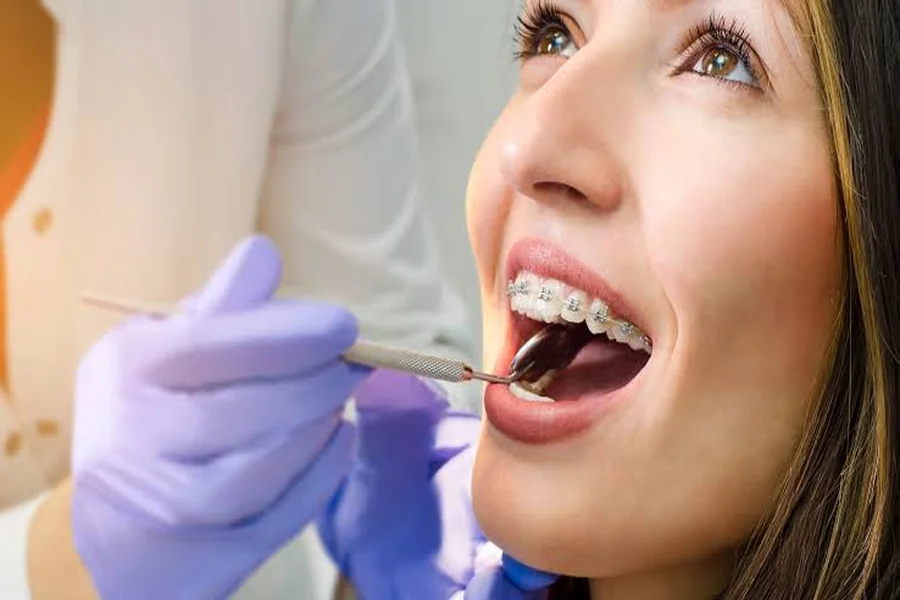
This is where a careful exam matters. A general and cosmetic dentist is not only looking at color, shape, and symmetry. They are also checking contact points, wear patterns, muscle tenderness, jaw movement, and whether your bite repeats the same way each time you close. If it does not, changing tooth shape too soon can lock in a problem rather than solve it.
For some people, the warning signs are easy to miss. Maybe one front tooth chips again and again. Maybe crowns keep failing on one side. Maybe you wake up with tight jaw muscles or feel clicking near the joint in front of your ear. According to the National Institute of Dental and Craniofacial Research, temporomandibular disorders can involve jaw pain, joint sounds, limited movement, and muscle discomfort. You can read more about TMD symptoms and causes here. Not every bite issue leads to TMD, but the overlap is important enough that it should not be brushed aside.
So what does bite stability actually mean before cosmetic dental work?
Bite stability means your teeth come together in a way that is repeatable, comfortable, and not overly destructive to teeth, joints, or muscles. It does not mean perfection. It means the system is calm enough to accept change. In practical terms, that may involve checking whether your front teeth guide movement well, whether the back teeth share force appropriately, and whether there are signs of grinding or shifting that could shorten the life of cosmetic work.
Research also supports the idea that occlusion, which is the way teeth contact during function, deserves careful attention when planning restorations. A recent review discussing occlusion in restorative care highlights how force distribution and bite relationships can affect outcomes over time. You can explore that research on occlusion and restorative dentistry here. So, where does that leave you if you want a better smile now?
It leaves you with a smarter path. In many cases, the best cosmetic result comes after the bite is assessed and, if needed, stabilized first. That might mean a night guard for clenching, replacing a broken filling that throws off contact, adjusting a high spot, or planning treatment in stages. It can feel slower, but it often protects your comfort and your investment.
What problems can happen if appearance is treated before function?
When appearance comes first and bite health is ignored, the result can be frustrating. You may spend money on bonding or veneers only to see chipping, looseness, or uneven wear return. You may also feel new tension when chewing or speaking. A patient who only wanted straighter looking front teeth may end up with edges that hit too hard because the back teeth are not supporting the bite well. Another person may get beautiful restorations, then discover nighttime grinding is breaking them down far faster than expected.
Why bite stability matters before changing the shape of teeth is not just a technical point. It is about comfort, durability, and trust. A stable bite often gives cosmetic dental work a better chance to last. A less stable bite can turn a simple improvement into a cycle of repairs.
Which approach protects your teeth and your budget better?
| Approach | Short Term Appeal | Possible Risk | Likely Long Term Value |
| Change tooth shape first, assess bite later | Faster cosmetic result | Chipping, soreness, uneven wear, redo work | Lower if hidden bite issues remain |
| Assess and stabilize bite before cosmetic changes | May take more planning | Less risk of force related problems | Higher chance of comfort and durability |
| Use temporary mockups before final treatment | Lets you test look and feel | Requires extra visits | Helpful for refining both esthetics and function |
This is the heart of bite alignment before cosmetic dentistry. It is not about delaying care for no reason. It is about seeing how your teeth function before making changes that are harder to reverse.
What can you do right now if you are considering reshaping teeth?
- Ask for a bite focused exam. If you are exploring veneers, bonding, contouring, or crowns, ask your dentist to evaluate wear, muscle tension, jaw joints, and how your teeth meet in motion. This helps uncover issues that photos alone will miss.
- Track the signs your mouth is giving you. Notice whether you clench, grind, wake with jaw soreness, chip teeth, or avoid chewing on one side. Those details can help connect cosmetic concerns with function. Tooth reshaping and bite stability often belong in the same conversation.
- Be open to staged treatment. Sometimes the best plan starts with stabilization, then moves to esthetic changes. That may include a guard, minor adjustments, or temporary restorations before the final work. With cosmetic dentist planning, the goal is not only a better looking smile, but one that feels natural every day.
How do you move forward without second guessing every choice?
You do not need to know every technical detail to make a good decision. You just need a plan that respects both beauty and function. If your bite is comfortable and stable, cosmetic changes can be more predictable. If it is not, taking time to address that first can spare you pain, expense, and disappointment later.
If you have been wondering why the same tooth keeps chipping, why your jaw feels tense, or why a cosmetic fix does not seem as simple as it should, there may be a reason. A thoughtful evaluation can give you clarity and help you choose treatment that supports your smile instead of stressing it. When you are ready, schedule a visit with a general and cosmetic dentist and ask for a bite first approach before changing the shape of your teeth.
