

In modern electronics, flex PCB assembly has become a crucial technology for creating compact, lightweight, and high-performance devices. Unlike traditional rigid printed circuit boards, flexible PCBs allow circuits to bend, fold, or twist, providing engineers with greater design freedom and enabling highly innovative electronic solutions. This assembly process is especially essential in industries such as consumer electronics, medical devices, aerospace, automotive, and wearable technology, where space efficiency and reliability are critical.
Understanding Flex PCB Assembly
Flex PCB assembly involves the manufacturing and integration of flexible printed circuit boards into electronic devices. These flexible circuits are typically made from polyimide or polyester substrates, which provide both durability and flexibility. The assembly process ensures that electronic components are accurately mounted on the flexible substrate while maintaining the mechanical properties required for bending and movement.
This technology enables circuits to connect moving parts, fit into compact enclosures, and reduce the need for multiple connectors or wiring harnesses, which enhances overall device reliability and efficiency.
Structure and Design of Flex PCBs
A flex PCB assembly is composed of several key elements: a flexible substrate, copper traces for conducting electricity, insulating layers, and protective coverings such as solder masks and coverlays. Depending on the application, flex PCBs can range from simple single-layer designs to complex multi-layer assemblies.
Designing a flex PCB assembly requires careful attention to mechanical stress points, bend radii, and signal integrity. Engineers must ensure that traces do not fracture during bending and that electrical performance remains consistent even under repeated flexing. Proper material selection and strategic layout are essential to achieving a reliable final product.
The Flex PCB Assembly Process
The flex PCB assembly process involves several critical steps to produce high-quality and reliable circuits.
Material Preparation
High-quality flexible substrates and copper foils are selected based on electrical and mechanical requirements. Adhesives, protective films, and coverlays are also prepared to ensure durability during and after assembly.
Circuit Patterning
The copper traces are patterned onto the flexible substrate using advanced photolithography or etching techniques. Precise trace width and spacing are essential to maintain signal integrity and prevent electrical interference.
Component Mounting
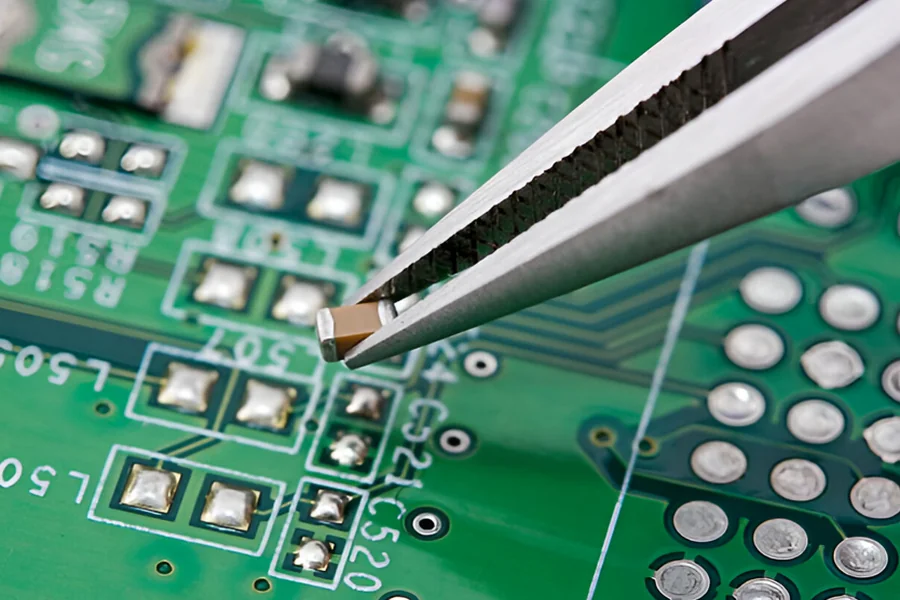
Surface-mount technology (SMT) is commonly used to attach electronic components to the flex PCB. The flexible substrate requires careful handling during soldering to prevent warping or material stress. Through-hole technology (THT) may also be employed for certain components requiring robust mechanical support.
Protective Coating and Coverlay Application
After component placement, a protective coverlay or solder mask is applied to prevent damage to the copper traces and components. This coating also enhances the flex PCB’s resistance to moisture, chemicals, and physical wear.
Testing and Quality Control
Comprehensive electrical testing, visual inspection, and automated optical inspection (AOI) ensure that the flex PCB assembly meets performance standards. Testing is crucial to detect potential defects before deployment in end-use applications.
Advantages of Flex PCB Assembly
Flex PCB assembly offers numerous benefits that make it an attractive solution for modern electronic designs:
Space Efficiency
Flexible circuits allow for innovative designs that fit into tight spaces, reducing the overall size and weight of electronic devices.
Enhanced Reliability
By eliminating connectors and cables, flex PCB assemblies reduce the potential for connection failures, increasing the device’s long-term reliability.
Design Versatility
Flex PCBs can bend, fold, or twist, enabling three-dimensional circuit layouts that rigid PCBs cannot achieve. This versatility is essential for wearable devices, robotics, and compact consumer electronics.
Cost Savings
Although flex PCB assembly may have higher initial manufacturing costs, it reduces the need for connectors, wiring, and mechanical supports, ultimately lowering the overall production cost and assembly time.
Improved Electrical Performance
Shorter trace lengths and integrated connections reduce signal loss, improve signal integrity, and minimize electromagnetic interference (EMI).
Applications of Flex PCB Assembly
Flex PCB assemblies are widely used in industries that demand high performance, compact designs, and mechanical flexibility:
- Consumer Electronics: Smartphones, tablets, cameras, and wearable devices benefit from compact, lightweight, and flexible circuitry.
- Medical Devices: Pacemakers, imaging equipment, and wearable health monitors require reliable and space-efficient circuits.
- Aerospace and Defense: Avionics systems and satellite modules use flex PCBs to withstand harsh environmental conditions.
- Automotive Industry: Advanced driver-assistance systems (ADAS), infotainment modules, and sensors rely on robust, flexible circuits.
- Industrial Equipment: Robotics, control systems, and sensors utilize flex PCB assemblies for durable and adaptable circuitry.
Future Trends in Flex PCB Assembly
As electronics continue to shrink and become more sophisticated, flex PCB assembly is expected to grow in demand. Emerging technologies such as 5G communication devices, wearable electronics, IoT systems, and electric vehicles require flexible and reliable circuits capable of high-speed performance. Manufacturers are increasingly adopting automated assembly, laser drilling, and AI-driven inspection systems to enhance quality and production efficiency.
Conclusion
In conclusion, flex PCB assembly provides an ideal solution for industries seeking compact, reliable, and high-performance electronic circuits. Its combination of mechanical flexibility, electrical stability, and design versatility makes it indispensable for modern electronic devices. Partnering with an experienced printed circuit board assembly China provider ensures access to high-quality materials, precision assembly, and cost-effective production tailored to meet the most demanding requirements.
