

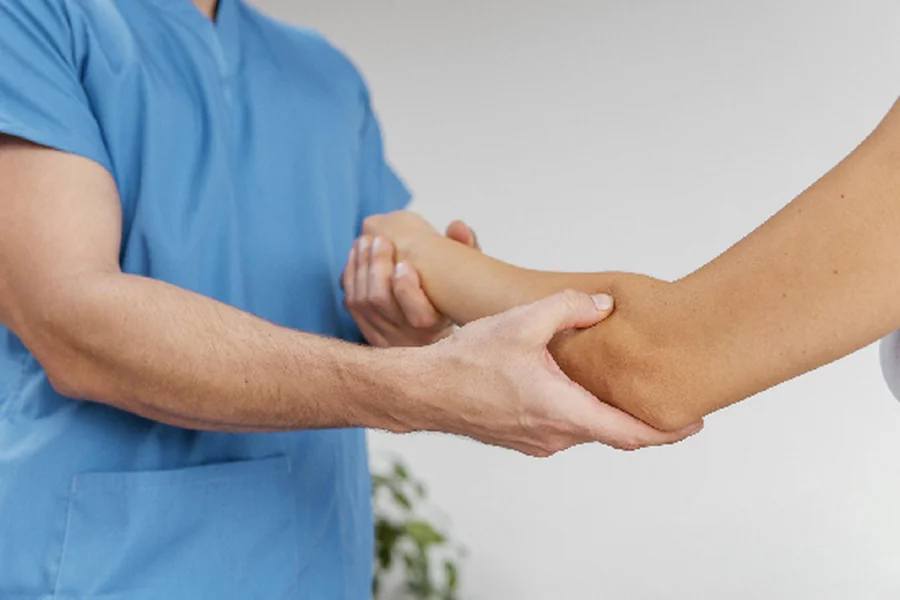
The elbow is a highly active joint that allows us to perform countless daily tasks, from lifting groceries and typing on a keyboard to playing sports and carrying children. Because it is involved in repetitive movements and weight-bearing activities, the elbow is susceptible to a variety of injuries and conditions that can affect strength, mobility, and overall function. Understanding the cause of elbow pain is an important first step towards appropriate treatment and long-term recovery.
Many people seek Elbow physiotherapy in Singapore when pain begins to interfere with work, sports, or everyday activities. Physiotherapy aims to identify the underlying cause of the discomfort rather than simply relieving symptoms. Through a combination of assessment, manual therapy, targeted exercises, and movement education, treatment is designed to reduce pain, restore normal movement, and minimise the likelihood of future recurrence.
Common Causes of Elbow Pain
Elbow pain can develop suddenly after an injury or gradually as a result of repetitive strain. The condition may involve muscles, tendons, ligaments, joints, or nerves surrounding the elbow.
Some of the most common causes include:
- Tennis elbow (lateral epicondylitis)
- Golfer’s elbow (medial epicondylitis)
- Tendon injuries
- Elbow arthritis
- Nerve compression
- Bursitis
- Sports-related injuries
- Repetitive strain from work or daily activities
Activities involving repetitive gripping, lifting, throwing, or prolonged computer use can place repeated stress on the elbow, leading to irritation of the surrounding tissues. Early assessment is beneficial because untreated symptoms may gradually become more persistent and begin affecting grip strength and arm function.
What Happens During a Physiotherapy Assessment?
Physiotherapy begins with a comprehensive assessment to understand both the symptoms and the factors contributing to the condition. Rather than focusing only on the painful area, the physiotherapist may also assess the wrist, shoulder, neck, posture, and movement patterns, as these can influence elbow function.
The assessment may include:
- Reviewing medical history and symptoms
- Testing elbow movement and flexibility
- Assessing muscle strength
- Evaluating grip strength
- Checking joint stability
- Identifying movements that reproduce pain
Based on these findings, an individualised rehabilitation programme is developed to address the specific diagnosis and functional goals of the patient.
For individuals interested in learning more about available assessment methods and rehabilitation approaches, exploring physiotherapy treatment for elbow pain and related conditions can provide additional information about common causes and evidence-based treatment options.
How Physiotherapy Supports Recovery
Treatment plans vary depending on the underlying condition, but physiotherapy often combines several evidence-based techniques to promote healing and restore normal function.
Common treatment approaches may include:
- Manual therapy to improve joint mobility
- Soft tissue techniques to reduce muscle tension
- Strengthening exercises for the forearm and upper limb
- Stretching to improve flexibility
- Grip and functional training
- Education on posture and activity modification
As symptoms improve, rehabilitation typically progresses towards exercises that restore endurance, coordination, and strength for work, sport, or everyday activities. Addressing movement patterns that contributed to the injury also helps reduce the likelihood of recurrence.
Supporting Recovery Outside the Clinic
Successful rehabilitation depends not only on treatment sessions but also on following appropriate advice between appointments. Performing prescribed home exercises consistently helps reinforce improvements made during physiotherapy.
Other strategies that may support recovery include:
- Modifying repetitive activities temporarily
- Taking regular breaks during prolonged computer work
- Using appropriate lifting techniques
- Gradually returning to sporting activities
- Maintaining strength and flexibility after recovery
Patients are generally encouraged to avoid pushing through significant pain, as continuing aggravating activities may delay healing. Instead, gradual progression based on professional guidance often leads to better long-term outcomes.
Promoting Long-Term Elbow Health
The elbow functions as part of a larger movement system involving the wrist, shoulder, and upper back. Effective rehabilitation therefore focuses on improving overall movement quality rather than treating the elbow in isolation.
Modern physiotherapy combines evidence-based assessment with personalised exercise programmes designed to restore mobility, improve strength, and help individuals return safely to their usual activities. Early intervention can also reduce the risk of chronic pain and prolonged functional limitations.
Whether discomfort is caused by repetitive strain, sports participation, tendon injuries, or everyday activities, Elbow physiotherapy in Singapore offers a structured approach to restoring movement and improving function. Through accurate assessment, progressive rehabilitation, and ongoing education, physiotherapy can support both recovery and long-term joint health.
