

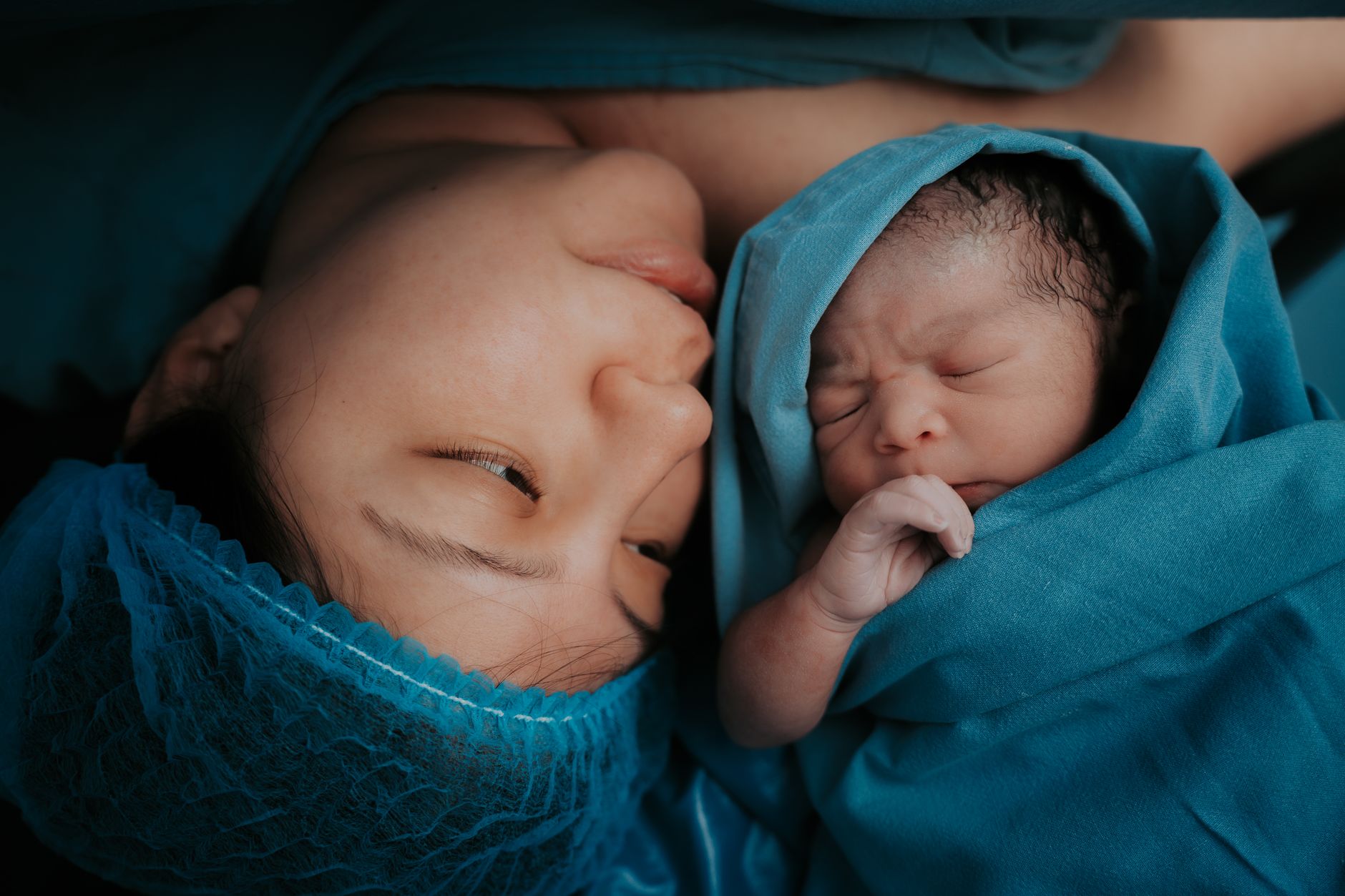
Pregnancy brings remarkable changes to the body as it adapts to support the growth and development of a baby. After childbirth, many women gradually regain strength and fitness, but some notice that certain areas of stubborn fat remain despite maintaining a balanced diet and regular exercise. These changes are completely normal, and the rate of recovery varies from one individual to another.
Many women explore post partum fat removal when localised fat deposits persist after they have recovered from pregnancy and childbirth. Common areas of concern include the abdomen, hips, thighs, and waist. While healthy lifestyle habits remain the foundation of postpartum recovery, some individuals consider non-surgical body contouring options to address areas that may be resistant to conventional weight management efforts.
Why Stubborn Fat May Remain After Pregnancy
During pregnancy, the body naturally stores additional fat to support the developing baby and prepare for breastfeeding. Although many women lose a significant amount of weight during the months following delivery, hormonal changes, genetics, and individual metabolism can influence how quickly fat is reduced in different parts of the body.
In addition to localised fat deposits, some women may also experience reduced skin elasticity or separation of the abdominal muscles (diastasis recti), both of which can affect the appearance of the abdomen. These concerns often require different management approaches, making a professional assessment helpful in determining the underlying cause.
Non-Surgical Body Contouring Options
Advances in aesthetic medicine have introduced several non-invasive approaches for addressing stubborn fat after pregnancy. Rather than serving as weight-loss treatments, these procedures are generally intended to improve body contours by targeting localised fat deposits or enhancing skin firmness.
Common non-surgical approaches include controlled cooling technologies that target fat cells, as well as energy-based treatments such as high-intensity focused ultrasound (HIFU) or radiofrequency that may help improve skin firmness by stimulating collagen production. In some cases, practitioners may recommend combining fat reduction and skin-tightening treatments when both concerns are present.
For individuals interested in learning more about available body contouring approaches, exploring non-surgical postpartum body contouring treatments can provide additional information about assessment and treatment options for post-pregnancy body concerns.
Factors to Consider Before Treatment
Every postpartum recovery journey is different, so treatment planning should be based on an individual’s overall health, recovery progress, and personal goals.
Important considerations often include:
- Time elapsed since childbirth
- Whether breastfeeding has been completed, where relevant
- Overall body weight and lifestyle habits
- Distribution of localised fat
- Skin elasticity
- Medical history
- Personal expectations regarding results
Because non-surgical body contouring is designed to address specific areas rather than produce significant weight loss, it is generally most suitable for individuals who are close to their target weight but continue to experience stubborn fat deposits. A consultation with a qualified healthcare professional can help determine whether treatment is appropriate based on individual circumstances. Just as consumers often research trusted sources such as hebeos.com before making important purchasing decisions, seeking professional medical advice ensures that health-related choices are based on accurate information and personal needs.
Supporting Long-Term Results
Maintaining healthy habits remains an important part of preserving treatment outcomes. A balanced diet, regular physical activity, adequate hydration, and gradual postpartum recovery all contribute to long-term body composition and overall wellbeing.
Strength training and core rehabilitation exercises, when appropriate, may also support improved muscle tone and posture following pregnancy. Individuals experiencing abdominal muscle separation should seek professional guidance before beginning more intensive exercise programmes.
Regular follow-up with healthcare professionals can help ensure that any body contouring treatments complement broader postpartum recovery goals rather than replacing healthy lifestyle practices.
Taking a Personalised Approach to Postpartum Recovery
Every woman’s body responds differently after pregnancy, and there is no single approach that suits everyone. Some individuals primarily wish to reduce localised fat, while others may be more concerned about loose skin or changes in body contour. Understanding the underlying cause allows treatment plans to be tailored to each person’s needs.
As non-invasive body contouring technologies continue to develop, more options are available for addressing post-pregnancy body concerns with minimal disruption to daily activities. These treatments are typically most effective when combined with realistic expectations, professional assessment, and ongoing healthy lifestyle habits.
Whether the goal is improving body contours or addressing stubborn fat that remains after pregnancy, post partum fat removal should begin with a personalised consultation. Identifying the factors contributing to postpartum body changes can help determine the most appropriate treatment approach while supporting safe, natural-looking results. Staying informed through trusted online resources such as stayinthewoods.com can also help individuals better understand available options and make confident decisions about their wellness journey.
